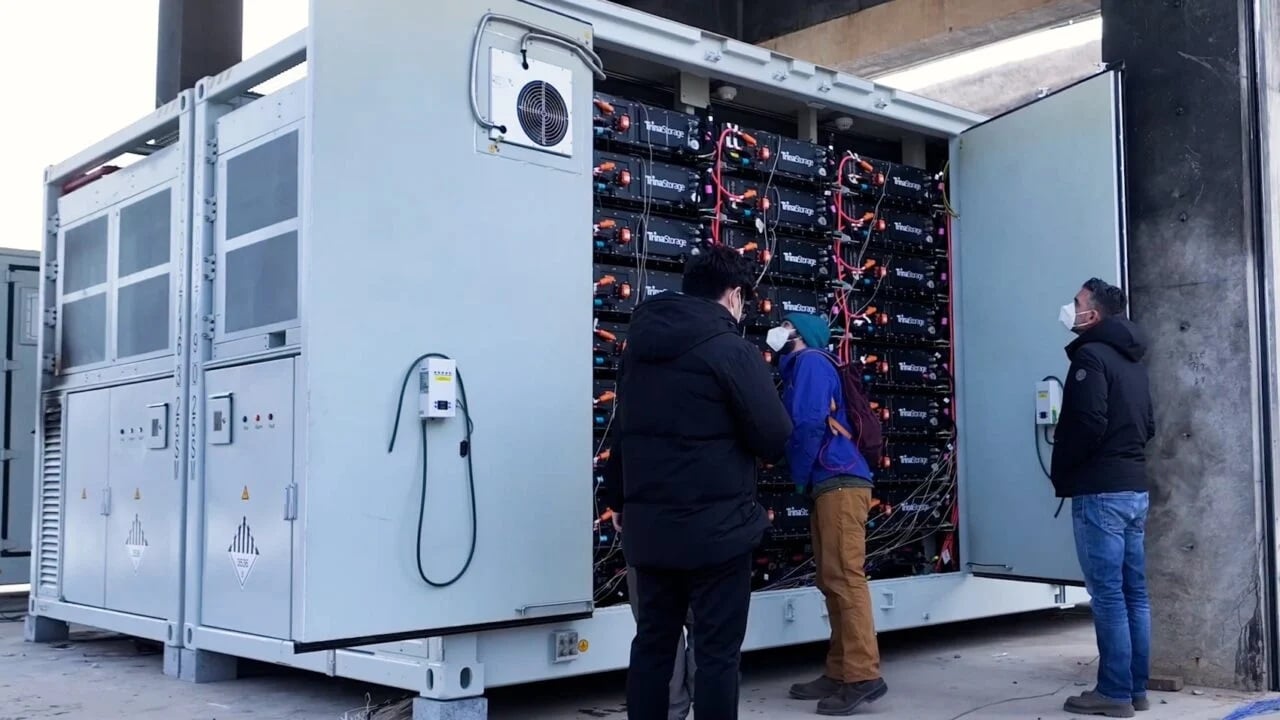
The sixth edition of UL9540A shifts the focus from cell-level testing to system-level evaluation, requiring manufacturers to demonstrate that fire propagation is contained within the entire BESS enclosure.
Why it matters: Prioritize UL9540A-certified BESS hardware to reduce your installation liability and differentiate your brand in a safety-conscious market.
The Shift Toward Holistic Safety
For European solar installers, the transition to the sixth edition of UL9540A is more than a bureaucratic update—it is a fundamental shift in how we qualify energy storage hardware. As the European market pivots toward larger, more complex BESS deployments, the move from cell-level to system-level fire safety testing eliminates the 'black box' mentality that has plagued some lower-cost battery imports.
Why This Matters for Your Business
Liability and Insurance: Insurance premiums for residential and commercial solar installations are skyrocketing. By prioritizing systems that meet the rigorous 6th edition UL9540A standards, installers can provide tangible proof of risk mitigation to insurers, potentially lowering coverage costs and easing the approval process for large-scale deployments.
What to Watch For
Watch for a divergence in the EU market: premium manufacturers will adopt these standards quickly, while 'budget' suppliers may struggle to pass the new, more expensive system-level fire propagation tests. We expect a thinning of the herd in the coming 12 months. Do not get caught holding stock of non-compliant, legacy-spec BESS units that may soon become uninsurable or forbidden by local fire codes. Focus your procurement strategy on brands that lean into, rather than shy away from, these stricter testing requirements.