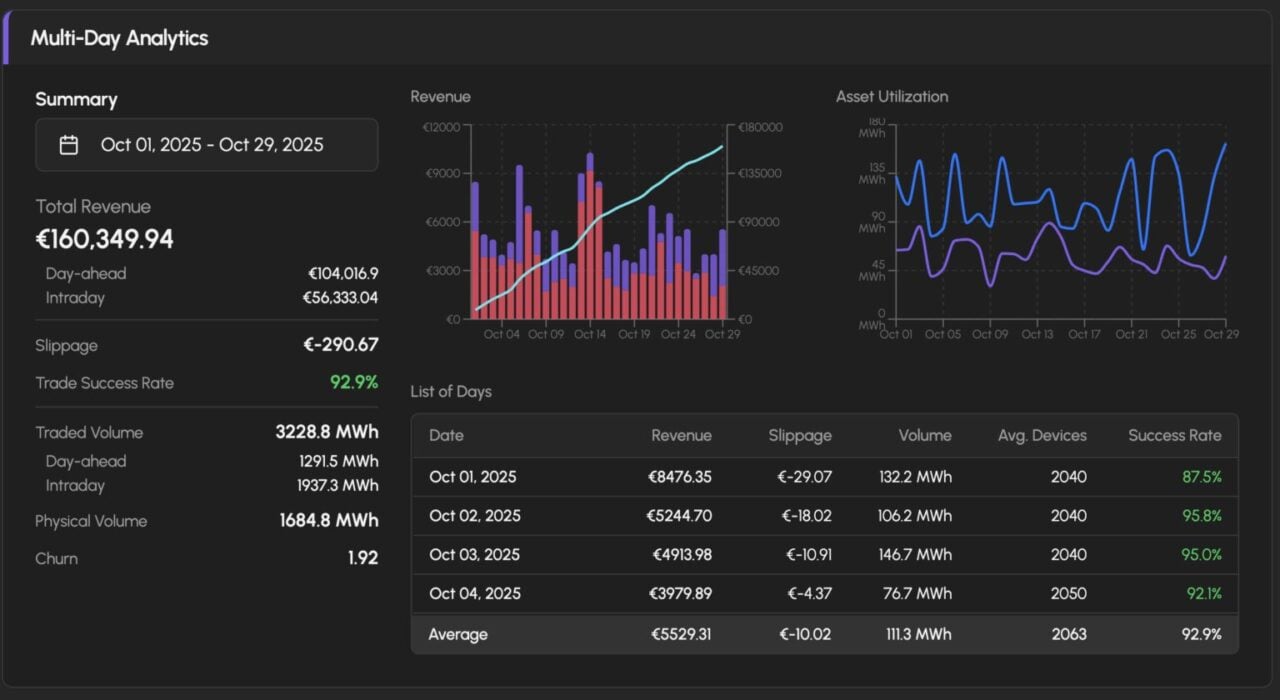
Opportunity is ahead for Europe's growing fleet of residential battery storage systems in electricity trading.
Why it matters: Transform your residential solar installs into income-generating assets by integrating them into grid-balancing and energy-trading platforms.
The Shift from Passive Storage to Active Revenue
For European solar installers, the value proposition of residential storage is undergoing a fundamental evolution. We are moving away from simple self-consumption models toward Virtual Power Plant (VPP) integration. As grid volatility increases, the ability to aggregate home batteries to participate in balancing markets is no longer a R&D experiment—it is a commercial necessity.
Why This Matters for Your Business
Market Context and Strategic Outlook
Europe’s energy market is suffering from chronic price cannibalization during peak solar hours. Trading flexibility allows homeowners to arbitrage these price swings, effectively turning their basement battery into a micro-utility. However, the technical barrier remains high. Installers who master the configuration of API-linked energy management systems (EMS) will capture the premium end of the market.
What to Watch For
Keep a close eye on the regulatory landscape regarding dynamic tariffs. As more EU member states mandate smart meters and time-of-use pricing, the 'passive' battery model will become obsolete. Your future pipeline should prioritize manufacturers that offer open-protocol compatibility, ensuring your clients aren't locked into proprietary ecosystems that limit their ability to trade on third-party flexibility markets.