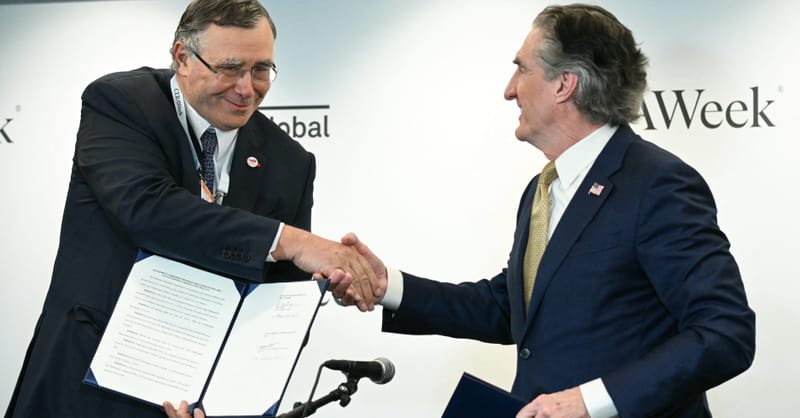
In its efforts to block U.S. offshore wind development, the Trump administration has halted project construction , rolled back tax credits , and spread misinformation . Now, in the latest maneuver, the administration is paying a global energy giant nearly $1 billion to walk away from its plans to install turbines off…
Why it matters: Protect your solar business from political instability by prioritizing C&I clients and energy storage solutions over government-subsidized projects.
Policy Volatility is the New Market Constant
The U.S. administration’s move to pay energy giants to abandon offshore wind projects is a masterclass in political risk. While this is happening across the Atlantic, it serves as a stark reminder to European solar installers that energy policy is rarely a one-way street toward total decarbonization. When governments prioritize short-term political optics over long-term energy infrastructure, the entire value chain—from developers to local residential installers—suffers from investment paralysis.
Why This Matters for Europe
European solar businesses are currently operating in a ‘post-subsidy’ reality where grid parity is the primary driver. However, the American shift signals a growing global trend of protectionism and anti-renewable rhetoric. If this sentiment migrates further into EU policy circles, we could see a sudden tightening of incentives or a rise in ‘NIMBY-ism’ that complicates local planning permissions for large-scale solar arrays.
Strategic Implications
Ultimately, the lesson is clear: solar businesses must build resilience by anchoring their value proposition in economic utility rather than political favor. The installers who thrive in the coming years will be those who sell energy independence, not just environmental virtue.