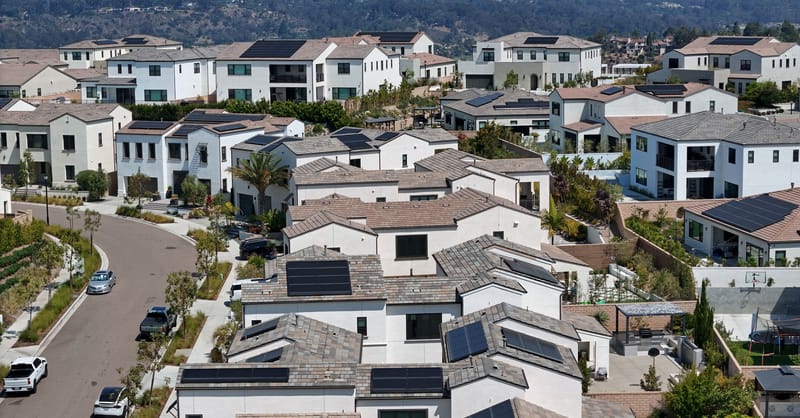
California lawmakers face a make-or-break choice about the state’s biggest and most successful virtual power plant program: Give it enough money to keep running this summer or scrap it altogether.
Why it matters: Prioritize hardware margins and self-consumption over volatile, policy-dependent grid participation programs.
The VPP Reality Check
The uncertainty surrounding California’s Demand Side Grid Support (DSGS) program serves as a critical warning for European solar installers. While the promise of Virtual Power Plants (VPPs) is often marketed as the 'next big revenue stream,' this news highlights the fragility of relying on government-backed incentive programs that are subject to shifting legislative priorities.
Why This Matters for European Installers
European solar businesses are currently in a 'gold rush' phase for battery storage and VPP integration. However, as grid congestion becomes the primary bottleneck across the EU, installers should view VPP participation not as a primary business model, but as a value-add service. If you build your entire customer acquisition strategy on the premise of perpetual grid-balancing subsidies, you are building on sand.
Strategic Implications
The takeaway? Don't let your business model become a hostage to political budget cycles. Build for energy independence and self-consumption first; participate in the grid when the incentives are profitable and stable.