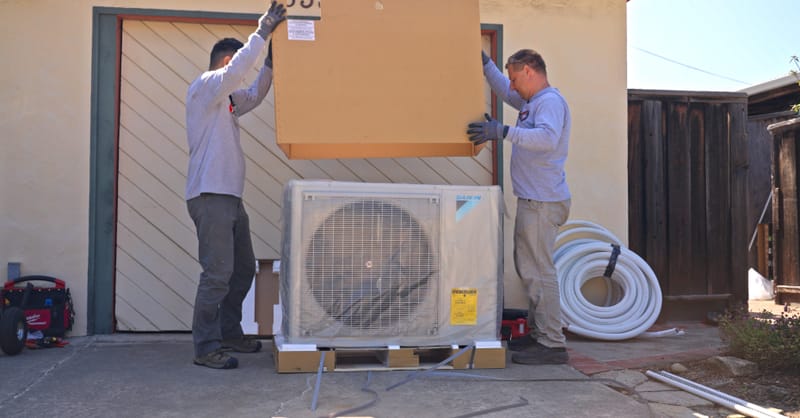
Blake Herrschaft has plans to fully electrify his Tahoe City, California, home, which runs on a slim 100 amps of electrical service. But even with a hot tub, in an area that sees an average of 15 feet of snow per year and temperatures that dip into the single digits, his house won’t need an expensive service upgrade.
Why it matters: Increase your close rate by offering smart load management instead of pushing expensive, often unnecessary grid service upgrades.
The Myth of the Mandatory Service Upgrade
For too long, the European solar and heat pump industry has treated the 100-amp (or 3x25A) service limit as a hard ceiling for residential electrification. This article highlights a critical shift: thanks to advances in smart load management, the need for costly grid-side service upgrades is often overstated.
Why This Matters for Installers
Many installers lose potential customers at the proposal stage due to the 'hidden' cost of upgrading a home's electrical panel. When you tell a homeowner they need to spend an extra €2,000–€5,000 on grid infrastructure just to accommodate a heat pump and EV charger, the project often dies. By shifting the focus to smart load shedding and energy management systems (EMS), you can keep total project costs lower and conversion rates higher.
Market Context & Business Strategy
What to Watch For
Watch for the standardization of load-management protocols. As more EU countries adopt dynamic pricing, the ability to shed non-essential loads (like a hot tub or secondary HVAC unit) during peak grid stress will become a standard feature of every high-quality solar install. Stop selling panels; start selling the intelligent, grid-independent home.