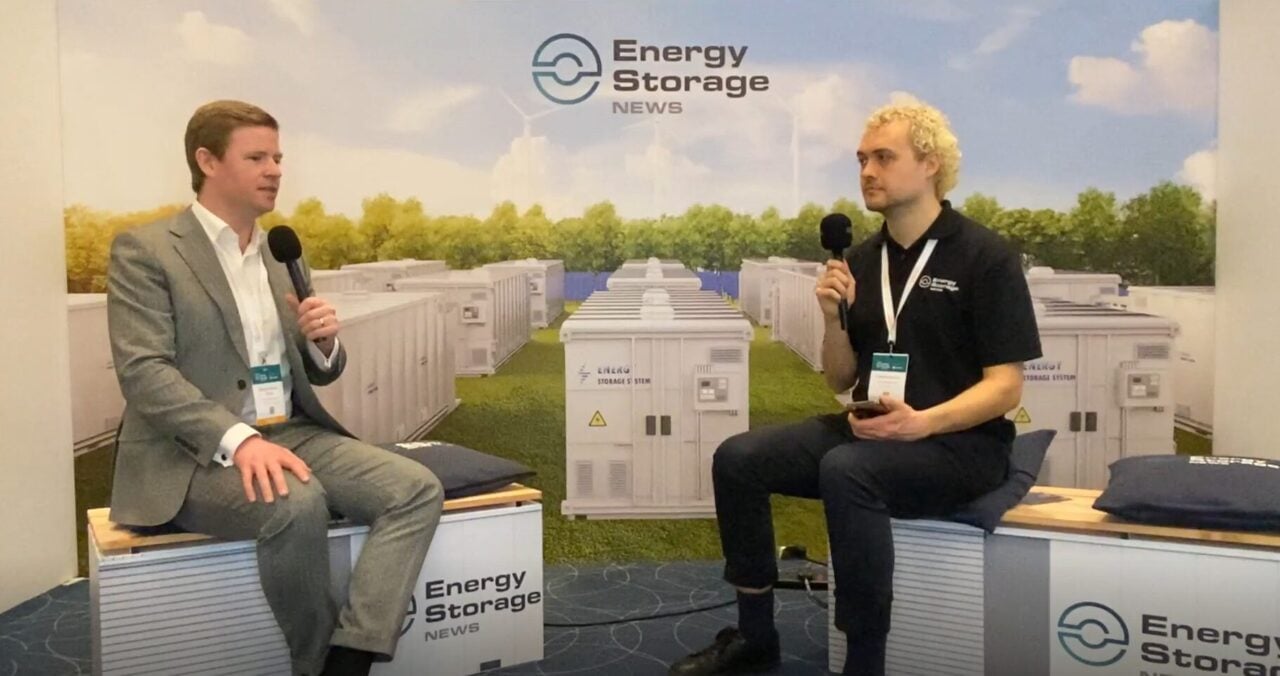
The data that we are collecting is being used to inform the design and the procurement of the next wave of assets, and that is a cycle that is only going to get faster.
Why it matters: Leverage operational data to shift your business model from one-off hardware installations to high-margin, long-term energy management services.
The Transition from Hardware to Data-Driven Performance
For European solar installers, the message from institutional players like Gore Street Capital is clear: the era of 'install and forget' is over. While Gore Street operates at the utility-scale, the underlying philosophy—that operational data must inform design and procurement—is the blueprint for the next phase of the residential and C&I market.
Why This Matters for Your Business
As grid congestion forces more European households to adopt Battery Energy Storage Systems (BESS), installers are no longer just energy system providers; they are becoming data managers. If your firm isn't capturing granular performance data, you are essentially flying blind when it comes to long-term asset optimization. Clients now expect more than just a functional battery; they demand a system that dynamically interacts with volatile energy prices and grid demand.
Market Implications
What to Watch For
Keep a close eye on the interoperability of your BESS data. The winners in the next 24 months will be those who integrate their monitoring platforms with local energy markets (like VPPs or frequency response services). If your current CRM or monitoring software doesn't allow you to extract this data to demonstrate clear value to the end-user, you are at risk of being commoditized by larger, tech-first competitors who treat data as their primary asset.