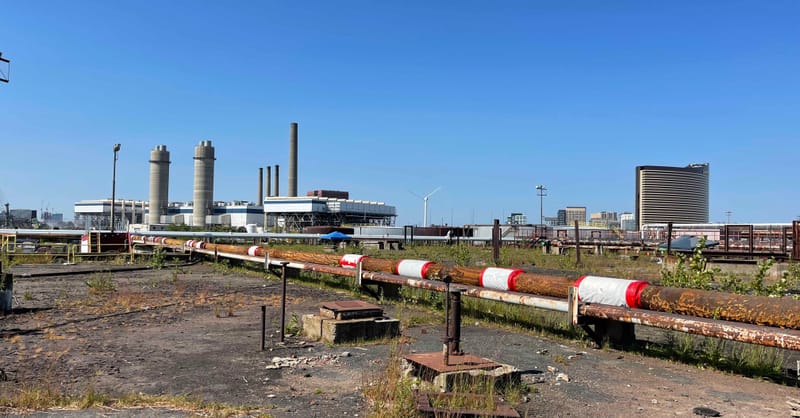
The U.S. desperately needs to make more room on its electricity grid. But for years, the country has struggled to build new power lines at a reasonable pace, and despite fast-rising electricity demand, there’s no sign of that changing in the near term.
Why it matters: Pivot your sales strategy from basic PV installations to integrated battery-storage systems to bypass grid congestion issues.
The Grid Bottleneck is Your Biggest Opportunity
While this article focuses on the U.S. context, the underlying crisis—grid congestion—is the single greatest barrier to residential solar adoption across Europe. As grid operators in markets like the Netherlands, Germany, and the UK increasingly impose 'grid connection freezes' or curtailment, the traditional model of 'install and export' is reaching its expiration date.
Why this matters for your business:Installers can no longer sell solar as a standalone product. You are now in the business of energy management. When the grid hits capacity, the ability to store excess generation and time-shift consumption becomes the primary value proposition for your customers. If you aren't bundling high-capacity BESS (Battery Energy Storage Systems) with every PV quote, you are leaving money on the table and setting your clients up for future frustration with grid-imposed export limits.
Market Context and Strategic Outlook:What to watch for: Keep a close eye on local regulatory shifts regarding 'smart grid' incentives. Governments are beginning to realize they cannot upgrade copper fast enough, so they will be forced to incentivize distributed storage to avoid total grid failure. Align your product portfolio with brands that offer robust API integration for VPP (Virtual Power Plant) readiness.