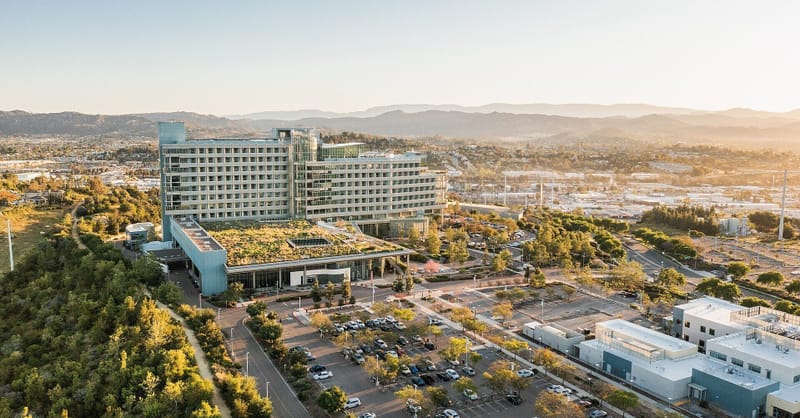
A community north of San Diego has blocked a major grid battery that a developer had hoped to build in a residential area near a major hospital. Independent power producer AES Corp. withdrew its application to develop the Seguro battery system in Escondido, 30 miles from San Diego.
Why it matters: Secure your project pipeline by prioritizing community safety communication and aesthetic integration to avoid costly local planning rejections.
The Rising Tide of Local Resistance
While the AES setback occurred in California, the underlying dynamic—'Not In My Backyard' (NIMBY) sentiment regarding energy infrastructure—is becoming a critical bottleneck for the European energy transition. As grid-scale and even commercial-scale storage projects move closer to load centers, developers are facing unprecedented scrutiny from local communities concerned about safety, fire risks, and land use.
Why This Matters for EU Installers
For European installers, the takeaway is clear: social license is now as important as grid capacity. Whether you are deploying industrial-scale BESS or multi-dwelling residential storage units, you are no longer operating in a vacuum. Community pushback can stall projects indefinitely, leading to sunk costs in planning, permitting, and legal fees.
The Bottom Line: Developers who treat community engagement as a 'check-the-box' exercise will lose. Those who integrate community feedback into their project design early will secure the permits that their competitors won't. If you cannot prove your site is safe and beneficial to the neighbors, expect the 'Seguro' outcome to repeat itself in your local market.