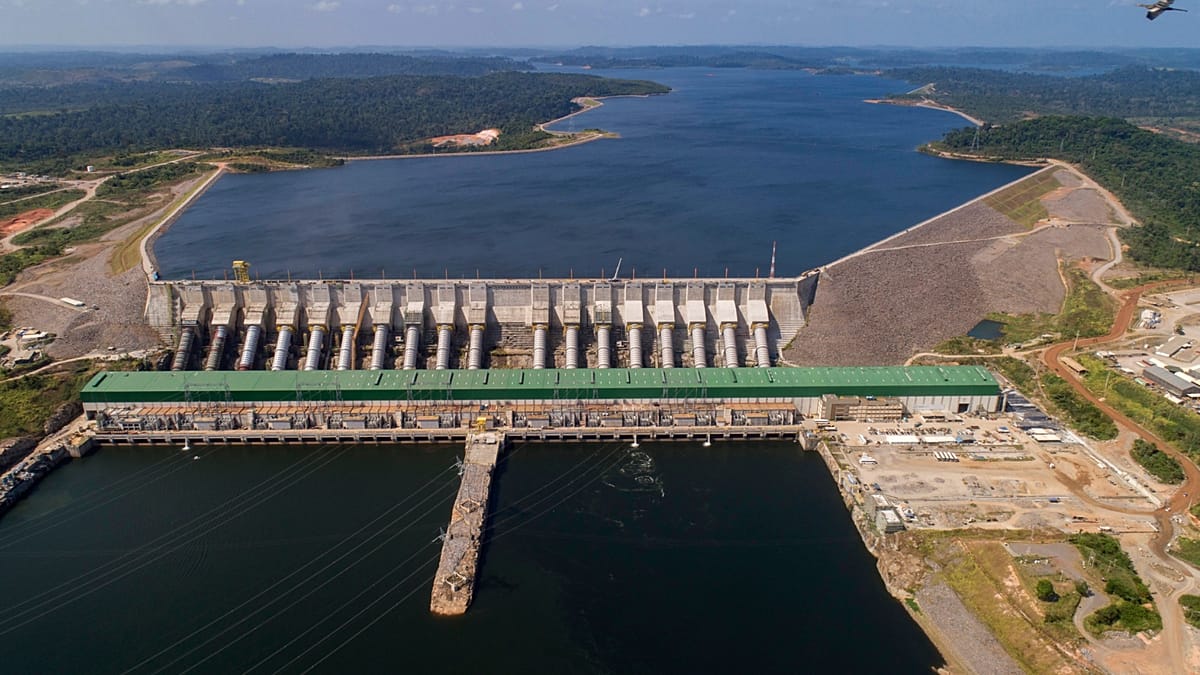
Brazilian courts have ruled that the Belo Monte hydropower plant has had environmental and social impacts "far greater" than originally forecasted.
Why it matters: Leverage the growing legal instability of mega-projects to position decentralized solar as the reliable, low-risk alternative for your customers.
The Risks of Centralized Infrastructure
The legal fallout surrounding Brazil’s Belo Monte dam serves as a stark warning for the European energy transition. While the EU pushes for rapid decarbonization, the reliance on massive, centralized infrastructure projects is increasingly fraught with regulatory, environmental, and social risk. For European solar installers, this underscores a critical shift in the market narrative: decentralized energy is no longer just an alternative; it is the most stable path forward.
Why This Matters for European Installers
Strategic Market Implications
We are seeing a clear divergence in energy policy. Governments are realizing that relying on singular, colossal assets creates single points of failure—both grid-wise and socially. For the solar industry, this is a massive opportunity to position distributed generation as the 'safe' investment. Solar businesses should pivot their marketing to emphasize the resilience and low-impact nature of localized energy systems. When pitching to C&I clients, frame your proposal not just as a cost-saving measure, but as an ESG-positive strategy that avoids the messy, long-term liabilities associated with large-scale utility infrastructure. The future belongs to the modular, the local, and the transparent.