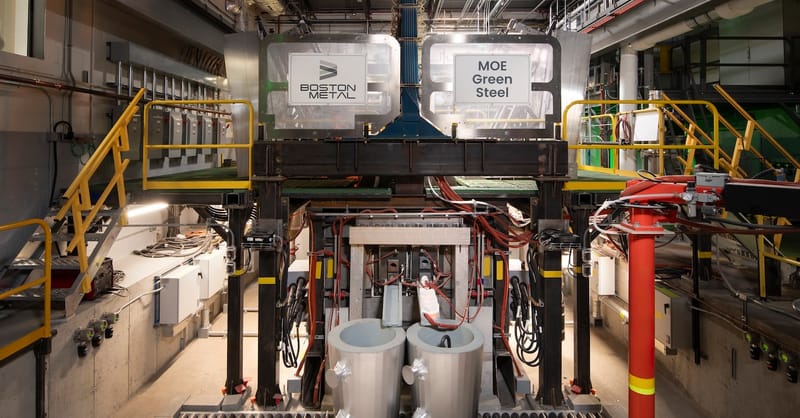
The Massachusetts-based company announced it will lay off 71 people in the U.S. after the incident at its Brazilian plant last month thwarted a key funding deal
Why it matters: Prepare for tighter project financing requirements as investors prioritize operational stability over speculative green growth.
The Ripple Effect of Industrial Risk
The news of Boston Metal’s layoffs serves as a sobering reminder of the fragile bridge between clean energy innovation and capital markets. For European solar installers, this isn't just a headline about steel; it’s a bellwether for how investors are currently viewing industrial decarbonization projects.
Why This Matters for Solar Installers
When high-profile green tech companies hit a liquidity wall, capital becomes more expensive across the board. We are currently seeing a tightening of credit for energy-intensive sectors. For solar installers, this means that while residential demand remains steady, commercial and industrial (C&I) projects—particularly those requiring complex financing or large-scale CAPEX—may face increased scrutiny from lenders who are suddenly more risk-averse.
Market Context and Implications
The European solar market has been buoyed by the EU’s push for energy sovereignty, but the 'execution risk' premium is rising. Investors are no longer just looking for 'green' credentials; they are demanding operational resilience. Boston Metal’s failure to secure funding following an equipment breakdown highlights that in this high-interest-rate environment, a single technical failure can derail years of momentum.
What Businesses Should Watch For
Ultimately, the era of 'growth at all costs' in the green energy sector is over. Focus your business on operational stability and proven technology to remain attractive to the cautious capital currently dominating the market.