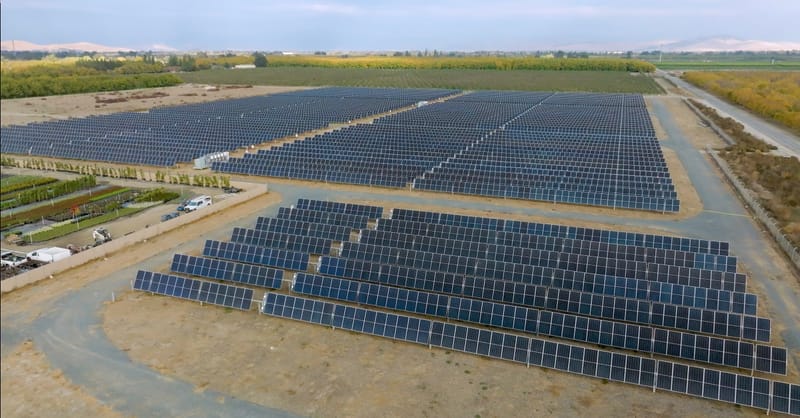
Around the country, community solar has emerged as a way to bring clean, affordable power to people who aren’t able to access rooftop solar, primarily because it’s too expensive or they aren’t homeowners.
Why it matters: Diversify your service portfolio by targeting multi-tenant and community-based projects to insulate your business from residential market saturation.
The Infrastructure Bottleneck
While the California debate centers on utility-scale resistance and grid interconnection, it mirrors a recurring friction point in the European energy transition: the struggle to democratize solar beyond the 'rooftop-owning' elite. For European installers, this highlights a critical pivot point in our market.
Why This Matters for You
The Californian deadlock serves as a warning for European installers overly dependent on the residential rooftop segment. As grid saturation increases in regions like the Netherlands or parts of Germany, 'Community Solar' (or energy sharing) is the next logical service expansion. If regulatory frameworks—similar to the EU's Renewable Energy Directive—don't streamline project approvals, we risk the same stagnation seen in the US.
Strategic Market Implications
What to Watch: Monitor the implementation of local energy sharing regulations in your specific EU member state. The businesses that move early to secure land-use permits for community-scale arrays before the regulatory 'gold rush' begins will hold a significant competitive advantage over pure-play residential installers.