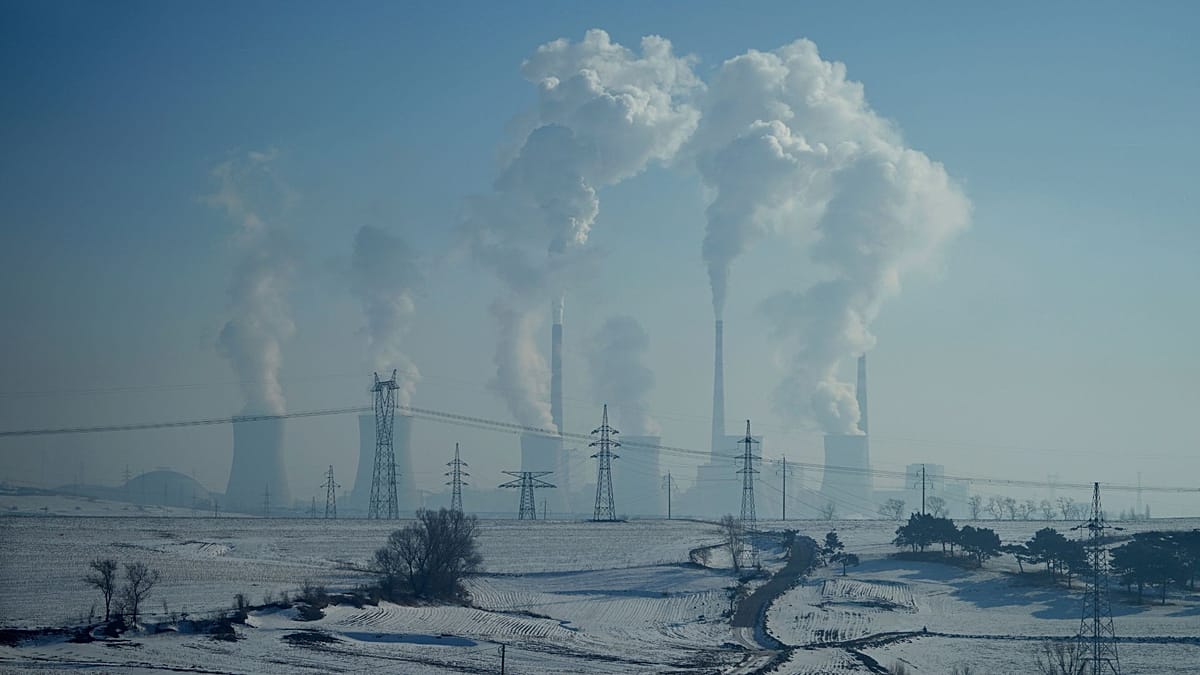
More than 50 large coal units were commissioned in 2025, up from fewer than 20 a year over the previous decade.
Why it matters: Prepare your sales strategy for potential price volatility as European regulations increasingly target the carbon footprint of imported solar components.
The Geopolitical Tug-of-War
At first glance, China’s coal expansion seems like a regression in the global energy transition. However, for European solar installers, this paradox highlights a critical supply chain reality: China is prioritizing grid stability and industrial energy security above all else. While they lead the world in renewable deployment, their coal strategy acts as a hedge against intermittency, ensuring that domestic manufacturing—which feeds the global solar component market—remains powered regardless of wind or solar output.
Market Implications for Europe
For the European installer, this is a double-edged sword:
What Installers Should Watch For
Watch for the divergence between Chinese grid-balancing strategies and European regulatory responses. If the EU implements stricter carbon-border adjustment mechanisms (CBAM) or supply chain due diligence laws, the cost of solar installations will rise. Installers should move away from competing solely on the 'lowest price per watt' and begin pivoting their sales pitches to emphasize project longevity, local grid-service capabilities, and energy independence. The era of cheap, infinite supply may be shifting toward a more regulated, supply-constrained market. Build your brand on reliability, not just the price tag.