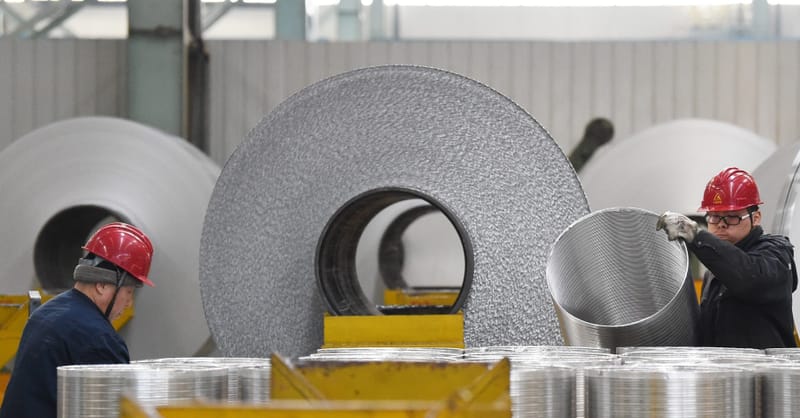
China is accelerating its efforts to clean up heavy industry, allocating money for the first time last year to help hard-to-decarbonize sectors increase the use of fuels such as green hydrogen.
Why it matters: Leverage lower-carbon solar components to win high-value commercial contracts and stay ahead of tightening EU environmental regulations.
The Decarbonization of Supply Chains
For European solar installers, the 'green' status of the components they sell is moving from a marketing talking point to a regulatory mandate. As China pivots toward green hydrogen for aluminum smelting—a process notorious for its carbon intensity—we are witnessing the beginning of a systemic shift in the solar value chain's embedded carbon.
Why This Matters for EU Installers
European clients, particularly in the commercial and industrial (C&I) sector, are increasingly demanding transparency regarding the lifecycle emissions of their solar installations. If Chinese manufacturers can lower the carbon footprint of the aluminum frames and mounting structures—which constitute a significant portion of a system's embodied energy—your installers gain a powerful competitive advantage in ESG-focused tenders.
Market Context and Implications
The EU’s Carbon Border Adjustment Mechanism (CBAM) is the elephant in the room. As the EU penalizes high-carbon imports, Chinese manufacturers are incentivized to clean up their production to remain price-competitive in the European market. This isn't just about environmental altruism; it is a defensive economic move by Beijing to ensure its solar exports aren't locked out of the European market by carbon tariffs.
Strategic Watchlist