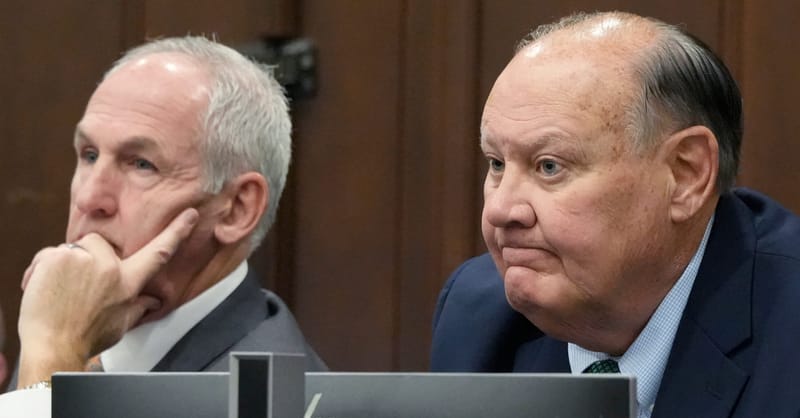
Ohio jurors will soon decide whether two former FirstEnergy executives are guilty of state criminal charges related to the House Bill 6 utility bribery scheme. It’s a landmark moment for what is the largest corruption scandal in state history, in which utility execs allegedly bribed state officials to pass and…
Why it matters: Secure your solar business by monitoring regulatory shifts and positioning your brand as the transparent alternative to entrenched utility interests.
The Anti-Renewable Playbook
While this scandal is rooted in Ohio, the underlying mechanics—incumbent utilities leveraging political influence to artificially extend the lifespan of legacy coal and nuclear assets—are a global reality. For European solar installers, this serves as a stark reminder that the energy transition is not just a technical challenge; it is a political war of attrition.
Market Implications for Europe
In the EU, we see similar, albeit more subtle, 'regulatory capture' where incumbent players lobby to complicate grid connection processes or push for restrictive localized zoning laws. When legacy utilities face existential threats from decentralized solar and storage, they often pivot to bureaucratic warfare. Installers must recognize that policy stability is the most fragile part of their business model.
The transition to decentralized energy is inevitable, but incumbents will not go quietly. European installers who treat political and regulatory monitoring as a core business function—rather than an afterthought—will be the ones who survive the inevitable lobbying pushbacks as solar penetration reaches critical mass.