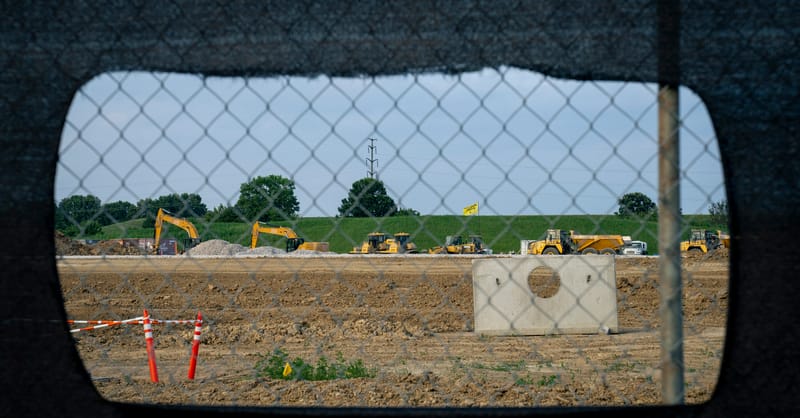
Essentially everyone agrees : Americans shouldn’t pay higher electric bills to feed AI data centers’ insatiable demand for power. But what will it actually take to prevent cost spikes? Lots of states have decided the answer is a “large load tariff” — an unsexy term that basically translates to special utility rates…
Why it matters: Leverage the threat of rising grid costs to position your solar-plus-storage solutions as essential energy security for your customers.
The AI Energy Squeeze and European Solar
While the US is currently wrestling with 'large load tariffs' to protect residential ratepayers from data center energy gluttony, Europe is facing a parallel crisis. As AI infrastructure expands across the continent, grid congestion is becoming the primary bottleneck for solar deployment. For European installers, this shift represents both a massive hurdle and a strategic opening.
Why this matters for your business:When grid operators prioritize massive data center loads, residential and C&I solar projects often face longer queue times for grid connection. If local utilities adopt similar 'special rates' or prioritize industrial stability over distributed energy, your clients may face increased soft costs or connection delays. However, this creates a clear value proposition for behind-the-meter autonomy.
Market Context:Europe’s energy market is increasingly bifurcated between massive industrial demands and a push for decentralized generation. As utilities struggle to balance the grid, the 'Prosumer' model—combining solar with battery storage—is no longer a luxury; it is a hedge against the volatile pricing that follows massive industrial grid integration. When utilities raise rates to subsidize grid upgrades for tech giants, your solar-plus-storage pitch becomes significantly more attractive to SMEs and homeowners.
What to watch for:Don't just sell hardware—sell energy independence in an era where the grid is being monopolized by the tech sector.