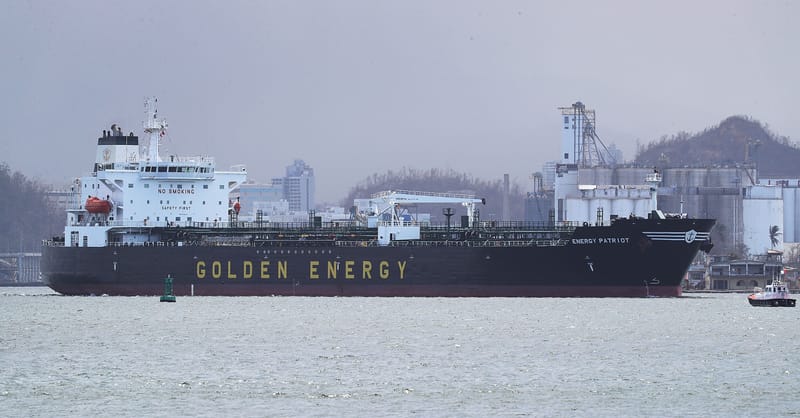
The war in the Middle East has spurred the largest oil disruption in history . The Strait of Hormuz, a choke point for much of the world’s oil and gas supply, is functionally closed . Oil prices are hovering around $100 a barrel.
Why it matters: Capitalize on rising fossil fuel volatility by positioning solar-plus-storage as an essential hedge against grid instability and unpredictable energy costs.
The Fragility of Centralized Energy
While this report focuses on Puerto Rico, the underlying mechanism of grid vulnerability is a mirror image of the risks currently facing the European energy landscape. When geopolitical instability closes vital energy choke points, the resulting price volatility acts as an immediate catalyst for decentralized energy adoption.
The European Context
For European solar installers, this is not just a headline—it is a sales pipeline driver. We are currently seeing a shift where energy independence has replaced simple cost-savings as the primary motivator for residential and commercial solar adoption. In markets like Germany, Italy, and Poland, customers are increasingly viewing solar + storage as a hedge against the systemic price shocks inherent in a globalized, fossil-fuel-dependent grid.
Strategic Outlook for Installers
Solar business owners should pivot their marketing collateral away from generic 'save money' messaging toward 'insulate your business/home from volatility.' Watch for utility providers to attempt to stabilize their own margins by increasing grid-connection fees or altering net-metering schemes. Your role is to position your hardware as the ultimate 'grid-exit' strategy. We expect to see a surge in demand for off-grid capable inverters and high-capacity storage as consumers realize that the cheapest energy is the energy they produce and store on-site.