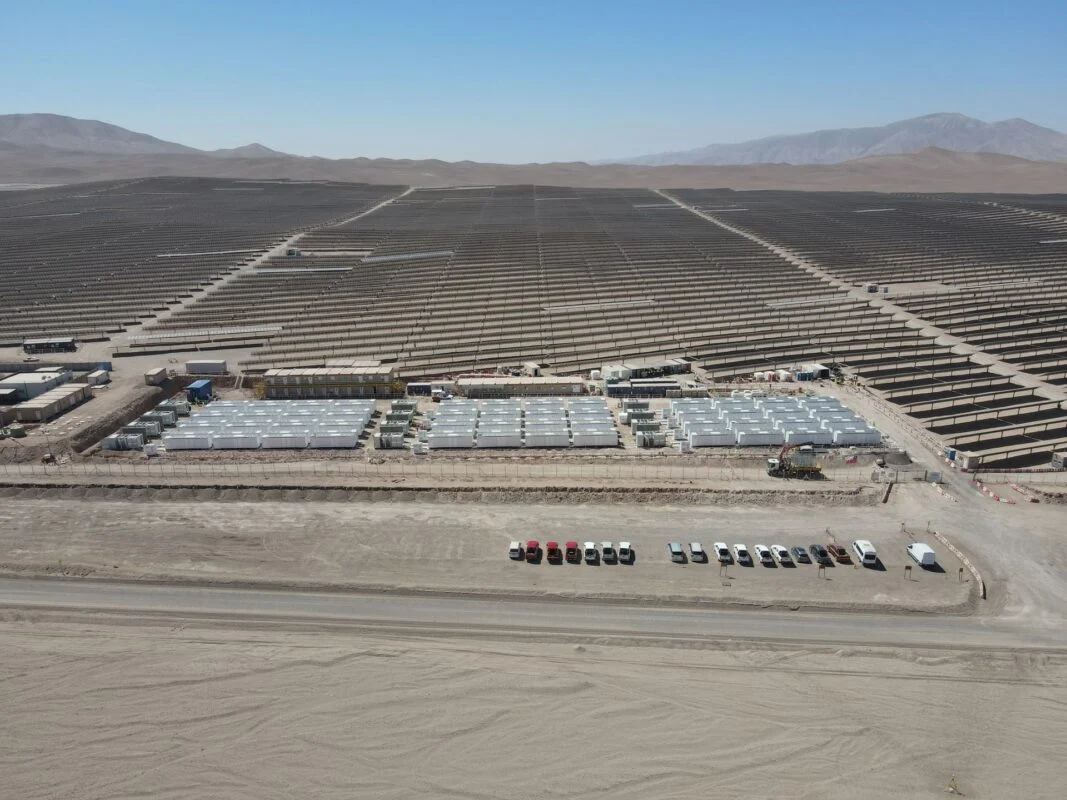
Multinational power firm Engie has acquired two large-scale BESS projects in Spain, paired with synchronous condensers and has launched construction on a BESS in France.
Why it matters: Prepare your clients for a market where grid-responsive battery storage is becoming a mandatory requirement for project approval.
The Shift Toward Grid-Forming Assets
Engie’s dual move into Spanish synchronous condensers and French BESS signifies a critical pivot in the European energy landscape: we are moving beyond simple energy arbitrage toward grid stability as a service. For European solar installers, this is a massive signal that the market is maturing from 'putting panels on roofs' to 'integrating assets into a constrained grid.'
Why This Matters for Installers
While Engie plays at the utility scale, the underlying requirement for grid-forming capabilities is trickling down. As the grid becomes more congested, Distribution System Operators (DSOs) are tightening requirements for behind-the-meter (BTM) storage. Installers who can advise clients on smart, grid-responsive inverters and VPP-ready battery setups will win the next phase of the residential and C&I market.
What to Watch For
Keep a close eye on the regulatory framework regarding synchronous condensers. If the EU mandates more grid-forming inverters for solar deployments, the hardware cost for residential and commercial installers may rise, but the ability to secure grid connection permits will become easier. Position your business as a 'grid-integration partner' rather than just an equipment installer. The companies that help clients navigate grid constraints today will be the ones that own the market tomorrow.