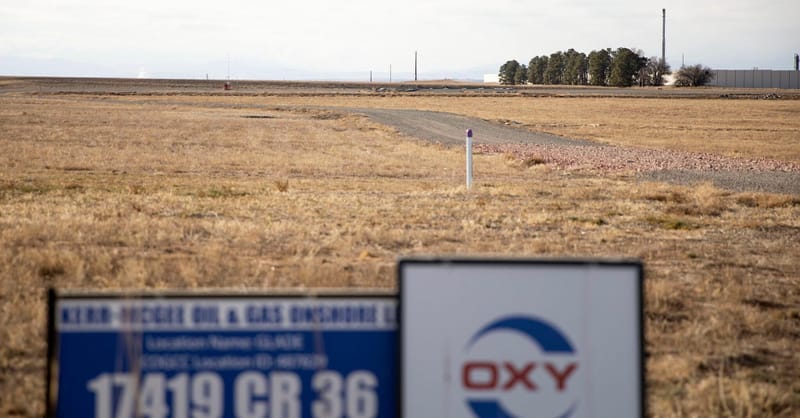
Occidental Petroleum, an oil and gas company better known as Oxy, began drilling a massive hole in the shadow of a natural gas processing plant south of Greeley.
Why it matters: Prepare for a grid where geothermal baseload complements solar, shifting your focus toward heat pumps and smart energy management for long-term growth.
The Pivot to Deep-Crust Thermal Energy
The entry of oil majors like Occidental into the geothermal space isn't just a corporate PR move; it represents a fundamental shift in how we view baseload renewable power. For European solar installers, this development signals a long-term shift in the energy mix that will eventually challenge the dominance of PV-plus-storage solutions.
Why this matters for your business:While solar PV remains the fastest and cheapest deployment option for residential and commercial rooftops, geothermal represents a 'baseload' threat. As drilling technology advances—transferring oil and gas expertise to geothermal—we are looking at a future where grid stability is less reliant on expensive battery arrays and more on consistent, subterranean heat. Installers should keep a close eye on how this impacts grid-level pricing.
Market context and implications:- Hybridization: European markets are already experimenting with district heating integration. If deep-well geothermal becomes scalable, expect to see it integrated into large-scale community solar projects.
- Energy Independence: The EU’s push for sovereignty aligns perfectly with geothermal. Unlike solar, which is weather-dependent, geothermal provides 24/7 power, potentially reducing the 'cannibalization' effect where solar prices crash during peak production hours.
What businesses should watch for:Don't panic, but do pivot. Your competitive advantage is speed and decentralization. While geothermal giants chase utility-scale projects, your opportunity lies in the thermal electrification of buildings. Focus on heat pumps and smart energy management systems that can bridge the gap between intermittent solar generation and the thermal storage needs of your clients. If the grid becomes more stable through geothermal, your PV systems become even more attractive as low-cost generation assets.