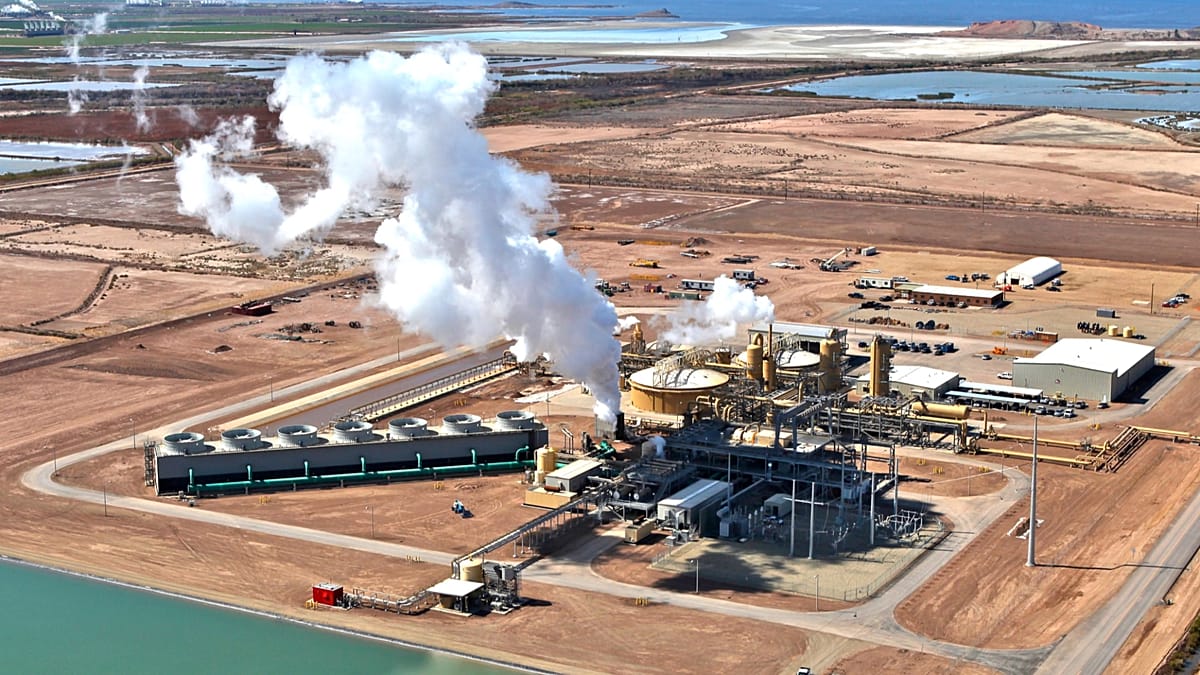
Geothermal systems that harness heat from deep underground require significantly less land infrastructure than other renewable energies.
Why it matters: Diversify your service portfolio by integrating geothermal heat pumps with solar PV to offer clients true 24/7 energy independence.
The Missing Piece in the Renewable Puzzle
For European solar installers, the rapid growth of PV has created a common bottleneck: the grid's inability to handle intermittent supply. While battery storage is the current go-to, geothermal represents a critical, often overlooked, baseload partner. Unlike solar, which is subject to diurnal cycles and seasonal variance, geothermal provides consistent, 24/7 power that can stabilize local distribution grids.
Strategic Implications for Installers
We are seeing a shift toward 'hybrid energy hubs.' Installers who can offer integrated systems—pairing high-efficiency solar arrays with geothermal heat pumps (GHPs)—are positioning themselves as comprehensive energy consultants rather than just hardware installers. This approach solves two problems: it maximizes the utility of the solar installation and provides a reliable, low-carbon heating solution that is becoming mandatory under the EU’s Energy Performance of Buildings Directive (EPBD).
What to Watch For
The transition is moving from 'generating power' to 'managing energy.' Installers who pivot to include geothermal will find themselves ahead of the curve as the market moves toward total energy independence for the end-user.