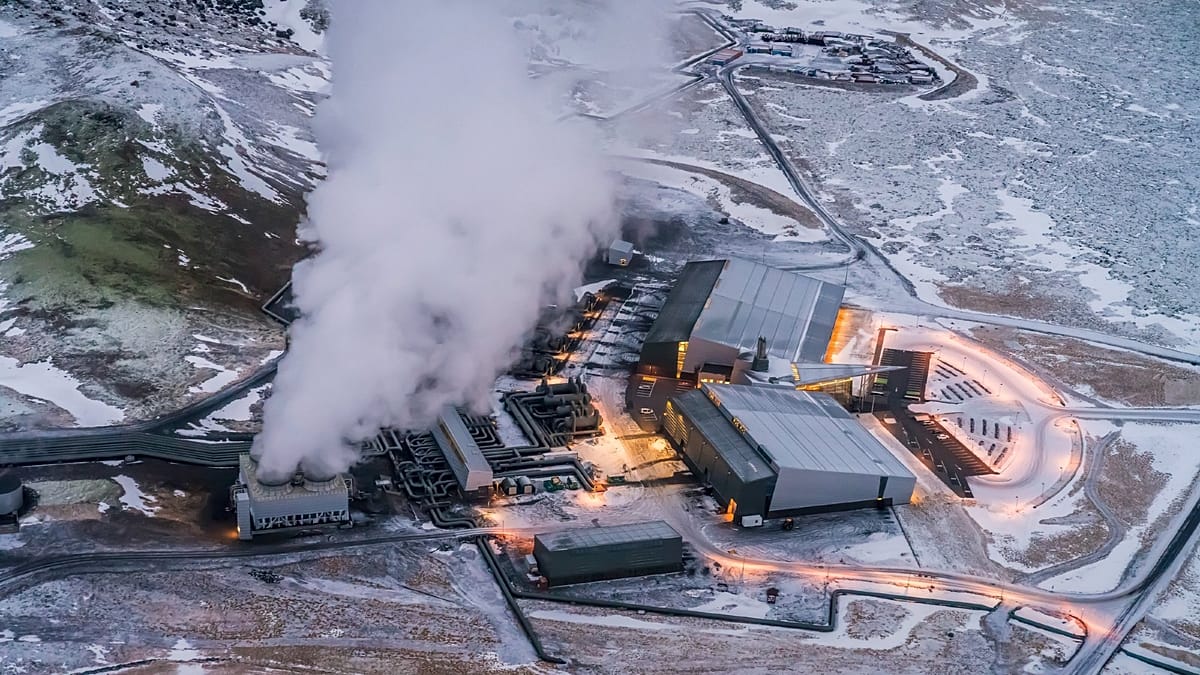
Enhanced geothermal systems could wean the EU off fossil fuels, even in countries without volcanic activity.
Why it matters: Position your solar business as a comprehensive energy integrator to capitalize on the shift toward hybrid solar-geothermal residential systems.
The Hybrid Future of Residential Energy
For European solar installers, the rise of Enhanced Geothermal Systems (EGS) shouldn't be viewed as a threat to PV adoption, but as the missing piece in the energy independence puzzle. While solar is the clear winner for daytime generation, the intermittency problem remains the biggest friction point in closing residential sales.
Why This Matters for Your Business
The integration of geothermal heat pumps with existing solar-plus-storage setups is the next logical frontier. As EGS technology matures, installers who position themselves as 'whole-home energy architects' rather than just 'panel fitters' will capture a higher share of the wallet. Homeowners are increasingly looking for a unified ecosystem where their PV system drives both the heat pump and the battery, minimizing grid reliance year-round.
Market Implications
What to Watch
Keep a close eye on EU regulatory subsidies for deep-heat projects. If geothermal becomes a standard utility-scale alternative, look for the 'thermal-electric' hybrid market to explode in Germany, France, and Poland. The winners in the next five years will be the installers who master the technical complexity of integrating geothermal thermal loops with smart-home energy management systems (HEMS).