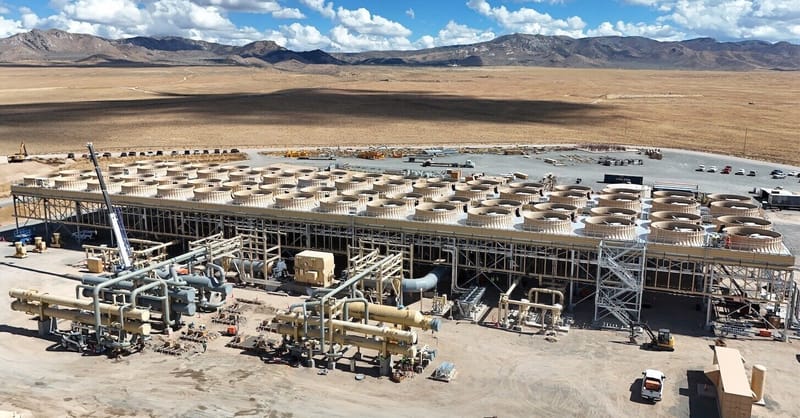
Fervo Energy, the leading next-generation geothermal startup, is ramping up plans to build out new power plants. The Houston-based company has signed a three-year agreement with Turboden America, which will supply 1.75 gigawatts of organic Rankine cycle turbine capacity for Fervo’s forthcoming geothermal projects.
Why it matters: Prepare for a grid where baseload geothermal complements solar, potentially easing interconnection bottlenecks and changing long-term PPA dynamics.
The Baseload Disruption
While Fervo’s 1.75 GW deal is currently US-centric, it signals a critical shift in the global energy mix that European solar installers cannot ignore. For years, the 'solar + storage' narrative has been our primary answer to intermittency. However, the maturation of next-gen geothermal—specifically enhanced geothermal systems (EGS)—threatens to compete for the same grid capacity and corporate PPA budgets that currently drive high-end C&I solar projects.
Market Implications for Installers
1. Grid Congestion Relief: In many European markets, grid interconnection is the single biggest bottleneck for solar adoption. If geothermal provides the baseload power needed to stabilize regional grids, we may see an acceleration in grid upgrades and a loosening of current curtailment mandates that plague solar operators.
2. The Hybrid Future: The real opportunity for solar businesses lies in hybridization. As geothermal projects come online, they offer a stable thermal profile that can be complemented by onsite solar PV. Installers should look to position themselves as partners in 'integrated energy hubs' rather than just rooftop solar providers.
Strategic Watchlist
Don't view this as a threat; view it as the grid maturing into a more reliable partner for distributed generation.