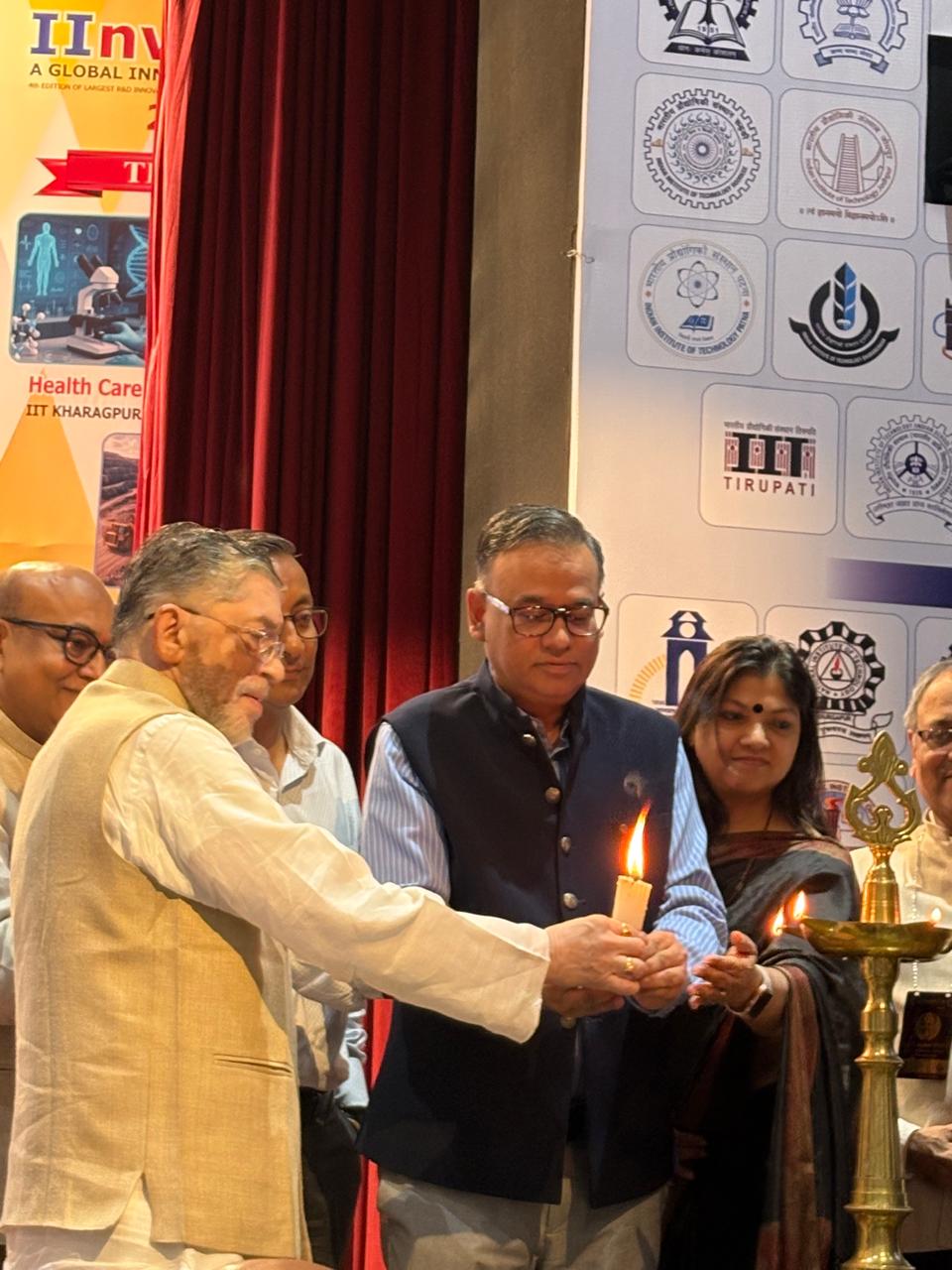
Simon India Limited has signed a Memorandum of Understanding with IIT (ISM) Dhanbad to collaboratively develop advanced catalyst and process technologies for green solutions. This partnership aims to enhance efficiency and scalability in areas like green hydrogen and ammonia
Why it matters: Prepare your C&I pipeline for the upcoming shift toward integrated solar-to-hydrogen energy systems as catalyst technology gains efficiency.
The R&D-to-Deployment Pipeline
While this MoU focuses on the Indian industrial landscape, it signals a broader, critical trend for European solar installers: the rapid industrialization of green hydrogen and ammonia production. For the average solar business, the immediate focus is often on residential and C&I PV installations, but the downstream demand for 'green' electrons is shifting toward high-intensity industrial processes.
Why This Matters for European Installers
European energy policy is aggressively pushing for decarbonized heavy industry. As catalyst efficiency improves through partnerships like this, the levelized cost of hydrogen (LCOH) will drop, making it a viable storage and fuel medium for your industrial clients. Installers who understand the link between onsite solar generation and hydrogen production will be the ones winning the next generation of large-scale commercial contracts.
What Solar Businesses Should Watch For
Don't just track module efficiency; track the commercialization of green hydrogen production tech. As these technologies mature, expect your C&I clients to ask about 'energy self-sufficiency' beyond just battery storage. Businesses that start positioning themselves as 'integrated energy service providers'—offering solar-to-hydrogen capability—will secure a significant competitive advantage in the EU market. Monitor the deployment of these catalysts in pilot projects; when they hit 90%+ efficiency, the barrier to entry for onsite green hydrogen for industrial clients will effectively vanish.