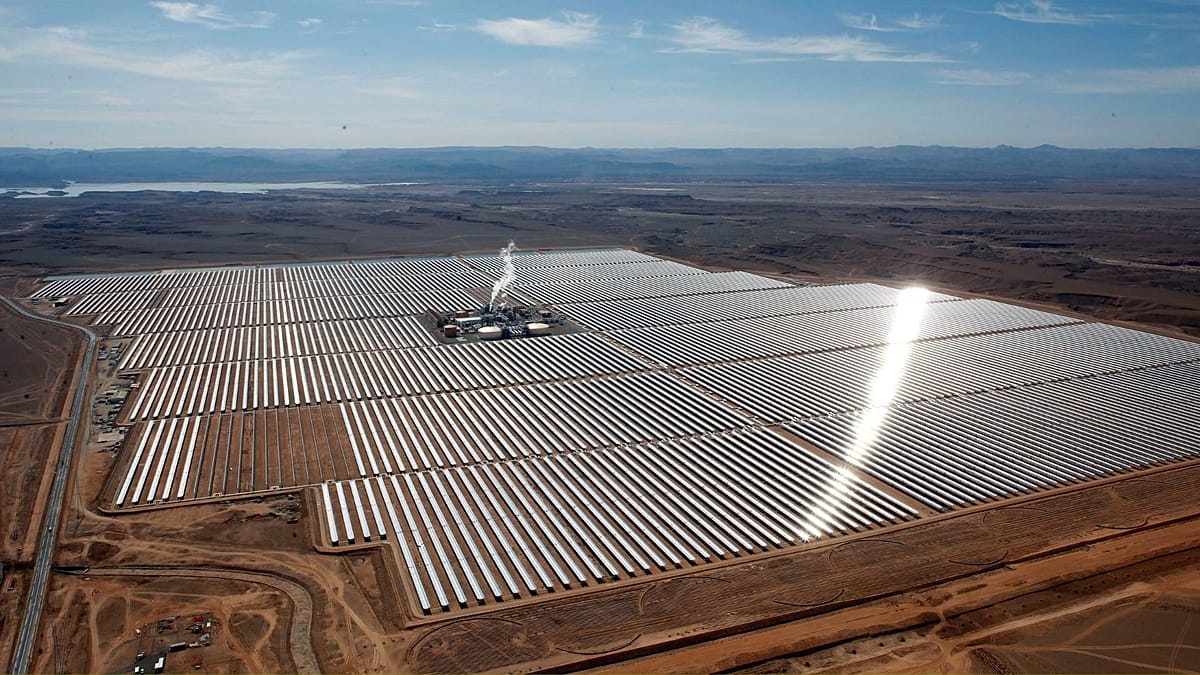
Gulf oil money is flowing into African renewables – and the Iran war is only accelerating the trend.
Why it matters: Prepare for potential module price volatility as Gulf-backed utility projects begin to compete with Europe for global solar hardware supply.
The Strategic Pivot
The geopolitical shift of Gulf sovereign wealth funds away from purely fossil-fuel-based portfolios toward African renewable infrastructure is a signal that the global energy transition has reached a point of no return. While this may seem geographically distant from the European residential solar market, it has profound downstream implications for the supply chain and capital landscape.
Why This Matters for European Installers
1. Supply Chain Diversification: As these Gulf-backed projects scale, expect a surge in demand for high-quality PV modules and balance-of-system components. While Europe currently battles module oversupply, these emerging markets could absorb excess inventory, potentially stabilizing European prices by reducing the glut that has forced many installers into margin-squeezing price wars.
2. Capital Competition: Institutional capital is becoming increasingly selective. Projects that once leaned on low-interest green bonds are now competing with high-yield, massive-scale utility projects in Africa. European residential solar businesses must focus on operational efficiency and customer lifetime value (CLV) to remain attractive to investors who are no longer content with the modest returns of small-scale residential portfolios.
What Businesses Should Watch For
Ultimately, the era of cheap, abundant capital for solar is evolving. Installers who prioritize long-term service contracts and energy management software over pure hardware sales will be best positioned to weather the volatility caused by these massive shifts in global energy investment.