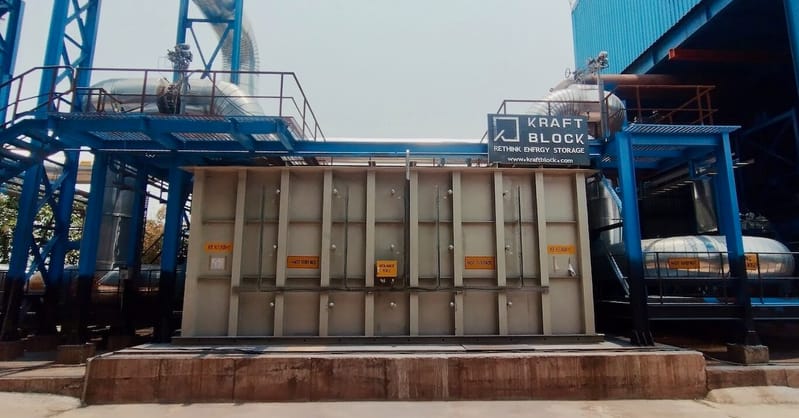
Tata Steel is using the 20-megawatt-hour thermal-storage system, developed by the German startup Kraftblock , at a massive steel mill in Jamshedpur, in the…
Why it matters: Expand your C&I portfolio by moving beyond electricity-only solar projects into high-margin industrial thermal storage integration.
Decarbonizing Heavy Industry Beyond the Grid
The deployment of Kraftblock’s 20MWh thermal storage at Tata Steel signals a massive shift in how heavy industry approaches energy procurement. For European solar installers, this is a clear indicator that the 'commercial and industrial' (C&I) sector is moving past simple rooftop PV installations toward integrated, multi-source energy systems.
Why This Matters for European Installers
Europe’s industrial base is under immense pressure to meet ESG targets and mitigate volatile energy costs. While residential solar is cooling, the industrial heat market remains a massive, untapped opportunity. Thermal storage allows facilities to store excess solar generation as high-grade heat, effectively turning intermittent renewable energy into a 24/7 industrial utility. Installers who can position themselves as 'energy systems integrators' rather than just 'panel fitters' will capture the next wave of high-value C&I contracts.
Market Context and Strategic Outlook
The reliance on German technology (Kraftblock) in a global project highlights that Europe remains the R&D hub for energy transition tech. However, the application is global. As carbon border taxes (CBAM) bite, European manufacturers will be forced to adopt similar thermal storage solutions to remain competitive. The synergy between solar PV, heat pumps, and thermal storage will become the standard architecture for the 'green factory' of 2030.