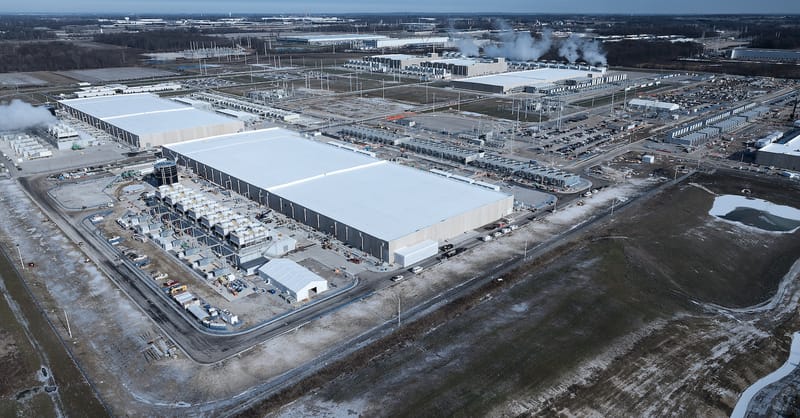
Form Energy invented a novel iron-air battery to store clean energy for much longer timeframes than conventional lithium-ion batteries can.
Why it matters: Prepare your business to pivot from simple solar-plus-storage to complex energy-shifting microgrid solutions as LDES technology matures.
The Shift Toward Multi-Day Storage
The announcement that Google is backing Form Energy’s iron-air technology signals a critical maturation point for the energy storage sector. For European solar installers, this represents a transition from 'short-duration' thinking—managing the evening peak—to 'long-duration' resilience that can bridge multi-day solar droughts.
Why This Matters for EU Installers
Currently, most residential and C&I installations rely on lithium-ion (LFP) systems optimized for 2-4 hours of discharge. While perfect for self-consumption, they do not solve the seasonal variability inherent in Northern European winters. As grid-scale long-duration energy storage (LDES) becomes commercially viable, the entire energy architecture of the projects you pitch will change. We are moving toward a future where installers will act as microgrid architects, balancing intermittent solar with seasonal storage capacity.
Market Context and Implications
Lithium-ion is not going anywhere, but it is becoming a 'peaker' technology. The market is bifurcating: lithium for high-frequency, short-duration cycling, and iron-air or flow batteries for bulk energy shifting. For the European market, which is already grappling with grid congestion and negative pricing during peak solar production, the ability to store energy for 100+ hours is the 'Holy Grail.' It allows for higher PV penetration without requiring massive (and costly) grid upgrades.
Strategic Outlook
Solar businesses should watch for the integration of LDES with commercial PV systems. As these technologies scale out of the pilot phase, expect to see hybrid tenders where the storage component is no longer an afterthought but the primary driver of the project's ROI. Keep a close eye on regulatory shifts in the EU regarding 'capacity markets'—when these kick in, the business case for long-duration storage will move from 'niche' to 'essential' for any commercial-scale solar installation.