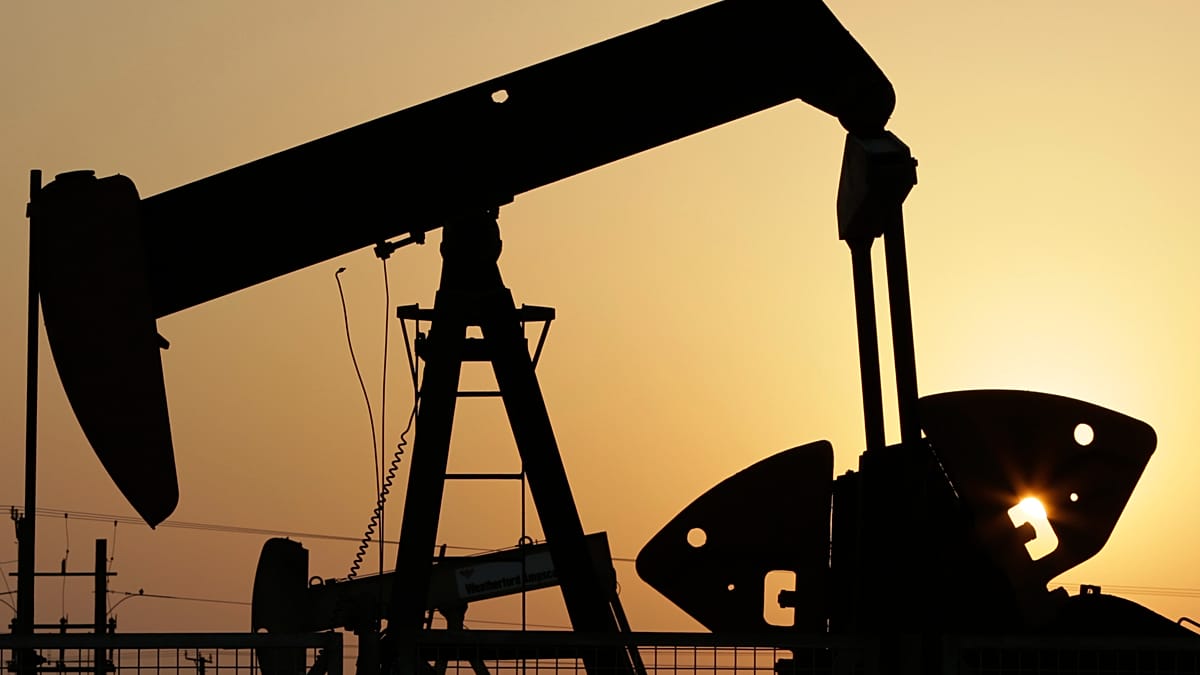
As the conflict in Iran enters its third week, the market is telling a stark story — one of energy windfalls and industrial ruin, drawn along a single fault line: proximity to oil.
Why it matters: Capitalize on heightened energy insecurity by positioning solar as a mandatory hedge against volatile, conflict-driven fossil fuel prices.
Geopolitical Volatility as a Catalyst for Energy Independence
For European solar installers, the current instability in the Middle East is more than just a headline; it is a direct driver of customer sentiment. When oil and gas prices spike due to regional conflict, the long-term ROI of residential and commercial solar installations becomes undeniably attractive to even the most hesitant homeowners.
The Shift in Consumer Behavior
Historically, solar adoption in Europe has been driven by decarbonization targets. However, in times of war, the conversation shifts from 'saving the planet' to 'securing the home.' We are seeing a distinct trend where installers who pivot their sales pitch toward energy autonomy and protection against utility price shocks are seeing significantly higher conversion rates.
Strategic Advice: Do not wait for the market to stabilize. Use this window of uncertainty to engage with prospects who were previously 'on the fence.' Your value proposition isn't just about panels; it is about providing a localized, sovereign energy solution that cannot be disrupted by external geopolitical forces.