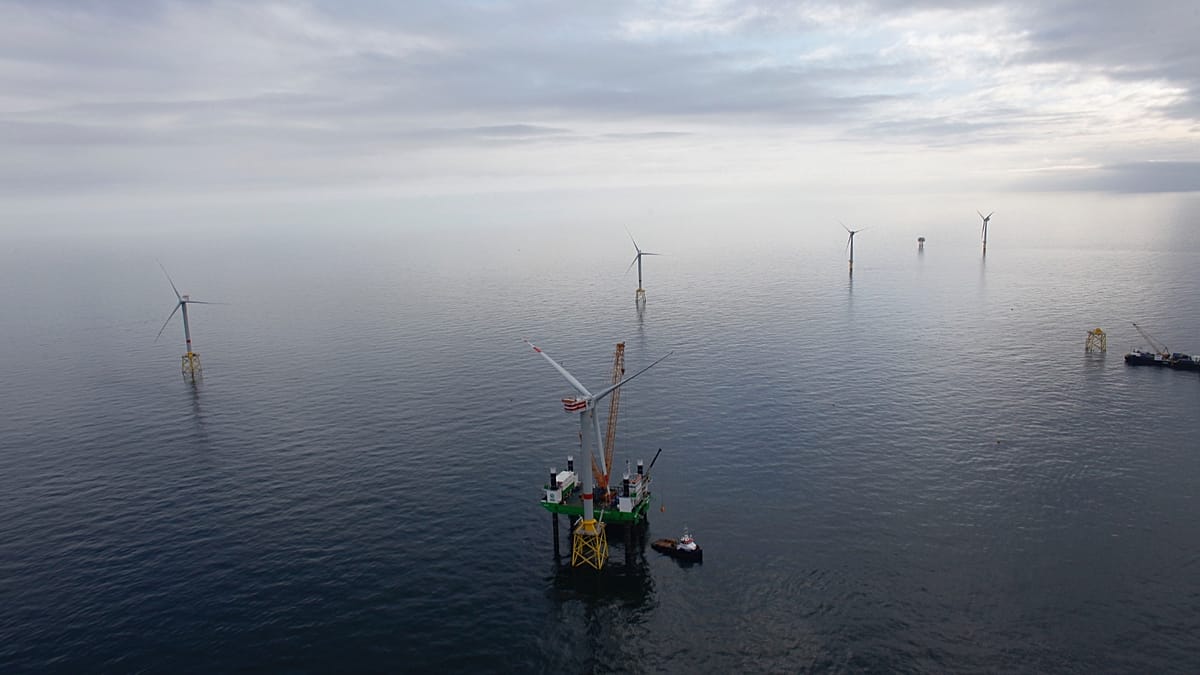
At-sea wind farms will soon be connected to multiple countries across Europe, thanks to a landmark declaration.
Why it matters: Pivot your sales strategy to prioritize battery storage and smart energy management as the grid integrates large-scale wind power.
The Shift Toward Hybrid Energy Grids
The commitment of €9.5bn to North Sea wind infrastructure is a clear signal that the European energy landscape is moving toward a highly integrated, cross-border model. While this news focuses on wind, the implications for the residential and commercial solar sector in Europe are profound. As high-voltage direct current (HVDC) connections expand, the volatility of energy prices across the continent will begin to stabilize, but the pressure on grid capacity will increase significantly.
Why This Matters for Installers
For solar installers, this represents a pivot in your sales narrative. As large-scale wind projects come online, the 'energy security' argument for residential solar remains, but the focus shifts toward grid-balancing and self-consumption. Installers should anticipate stricter grid-connection standards and a greater emphasis on smart energy management systems (EMS). If the grid becomes flooded with intermittent wind energy at night, the value of daytime solar production becomes even more critical for your clients.
Strategic Implications
Ultimately, the North Sea project isn't just about wind; it's about the electrification of everything. Solar businesses that position themselves as 'energy management consultants' rather than just 'panel installers' will capture the lion's share of this evolving market.