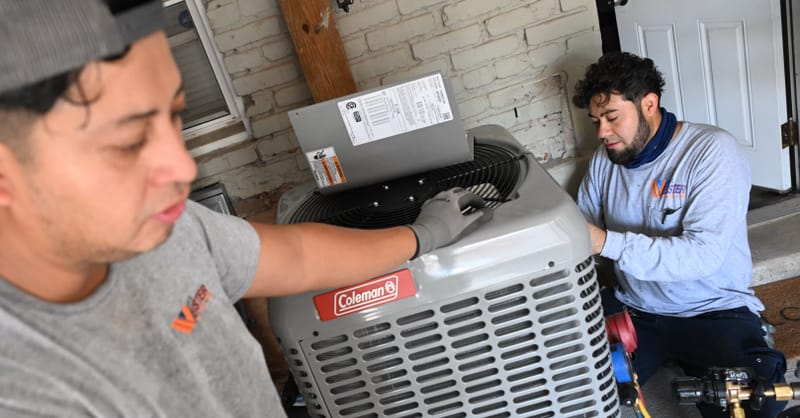
Last month, the state Building Code Division’s Residential and Manufactured Structures Board voted 7–1 to adopt energy-efficiency standards that encourage builders equipping new homes with air conditioning to use dual-purpose heat pumps instead.
Why it matters: Capitalize on the heat pump boom by bundling solar and storage as the primary fuel source for the modern, electrified home.
The Electrification Synergy
Oregon’s shift toward heat pumps as the default for new builds is a clear signal of the inevitable convergence between HVAC and solar PV. For European installers, this isn't just about policy in the US; it’s a preview of how the EU’s 'Heat Pump Action Plan' and the EPBD (Energy Performance of Buildings Directive) will reshape residential energy demand.
Why This Matters for Installers
Heat pumps significantly increase the base load of a home. For the average solar installer, this is a massive opportunity to pivot from selling 'panels' to selling 'energy ecosystems.' If your client is installing a heat pump, their self-consumption rate drops unless you pair it with a smart battery and an EMS (Energy Management System). Installers who fail to offer heat pump integration will soon find their solar-only quotes uncompetitive.
Strategic Implications
The market is moving away from standalone solar systems toward integrated residential microgrids. If you aren't talking to your customers about their heating and cooling needs, you are leaving significant revenue—and long-term customer loyalty—on the table.