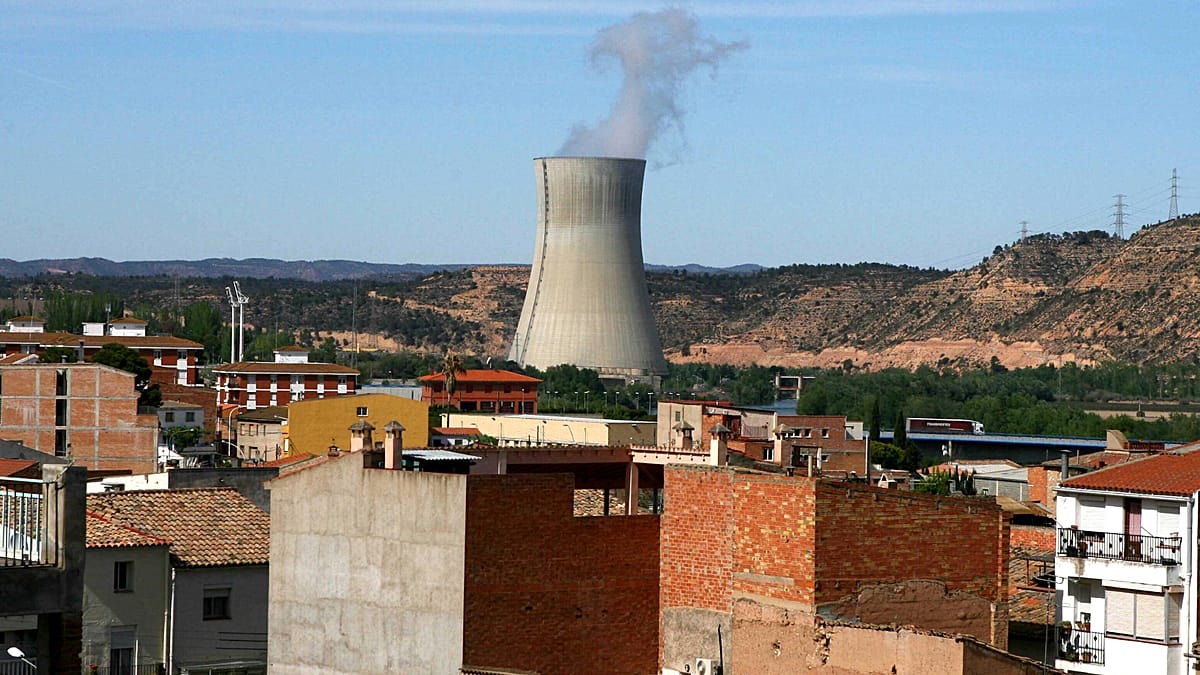
Portugal has been investing in renewable energy but nuclear has been largely neglected.
Why it matters: Capitalize on the shift toward solar-plus-storage bundles by positioning your business as a grid-flexibility partner rather than just a hardware installer.
The Iberian Advantage
Portugal’s decision to bypass nuclear power in favor of an aggressive renewable rollout is not a strategic error—it is a calculated play that has positioned the country as a European leader in low-cost electricity. While other EU nations grapple with the massive capital expenditures and decade-long lead times of nuclear assets, Portugal has successfully leveraged its high solar irradiance and wind potential to stabilize wholesale prices.
Why This Matters for Installers
For European solar installers, Portugal serves as a case study for the 'Renewable-First' transition. The market is shifting from simple residential rooftop installations to complex hybrid systems. Because the grid is heavily reliant on intermittent sources, the real growth opportunity for installers is no longer just selling panels; it is selling dispatchability. Installers who bundle solar with high-capacity battery storage and smart energy management systems (EMS) will capture the highest margins as the country moves toward a fully flexible grid.
Market Implications
What to watch for: Keep a close eye on the regional auctions for hybrid grid-connection points. Businesses that can integrate demand-side management with residential solar will thrive in this environment, as the utility-scale sector will eventually force down wholesale prices, making 'self-consumption' the primary driver for residential value.