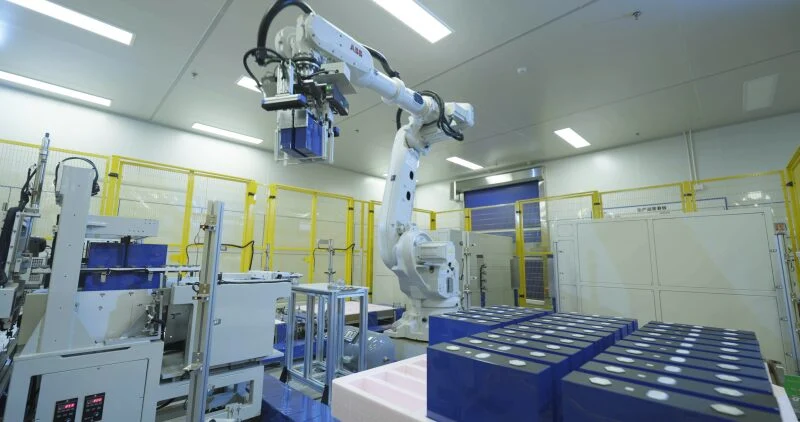
We analyse and compare the metrics of the various LFP battery cells of 587Ah and above, from leading providers CATL, Eve Energy, Hithium, Rept Battero, CALB and BYD.
Why it matters: Optimize your C&I project margins by leveraging higher energy density, but prioritize rack-level compatibility and long-term serviceability over raw capacity.
The Shift to Ultra-High Capacity
The transition from 314Ah to the 587Ah+ tier represents a fundamental architectural shift in Battery Energy Storage Systems (BESS). For European solar installers, this isn't just a spec sheet upgrade; it is a move toward significantly higher energy density at the rack level.
Why This Matters for European Installers
Moving to these larger cells means fewer individual units per MWh. This reduces the complexity of battery management system (BMS) wiring, lowers the total component count, and ultimately drives down the balance-of-system (BOS) costs. If you are designing commercial and industrial (C&I) storage projects, these cells allow for a smaller footprint, which is critical in land-constrained European markets.
Market Implications
The dominance of Chinese tier-one suppliers like CATL and EVE in this segment is absolute. However, the move to these larger form factors creates a 'standardization bottleneck.' As an installer, you must be wary of lock-in effects. If you base your C&I pipeline on a specific 587Ah form factor, you are tethered to that manufacturer's specific mechanical rack design. Unlike the modularity we saw with 280Ah/314Ah cells, these larger cells are less 'plug-and-play' between different brands.
Strategic Advice