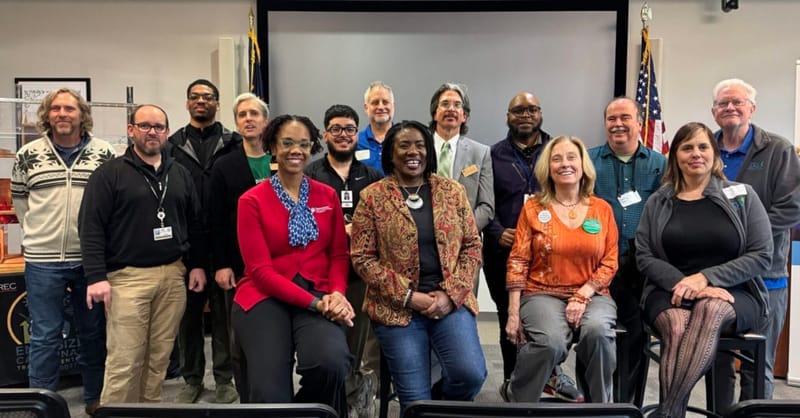
After Susan Lindsay got rooftop solar panels installed on her home in Greensboro, North Carolina, she wanted the low-income households she visited as a parent educator to be able to do the same — but without the expense.
Why it matters: Build local community partnerships to unlock high-density residential solar projects and lower your customer acquisition costs.
Bridging the Equity Gap in Renewable Adoption
While this story originates in North Carolina, the underlying challenge—democratizing solar access for low-income households—is the next major frontier for European installers. Across the EU, we are shifting from early adopters who have high disposable income to a mass-market phase where affordability and financing are the primary barriers to entry.
The European Context
European installers should look at this community-led model not just as a social initiative, but as a robust lead-generation strategy. In markets like Germany, Spain, and the Netherlands, energy cooperatives (Bürgerenergie) are already proving that collective purchasing power drives down hardware costs and simplifies grid-connection bureaucracy. For a commercial installer, partnering with local housing associations or community groups creates a high-density project pipeline that minimizes logistics costs compared to dispersed single-family home retrofits.
Strategic Implications for Installers
The future of European solar isn't just about selling panels; it’s about selling energy independence to the community. If you aren't building relationships with local neighborhood associations now, you’re missing the next wave of sustainable growth.