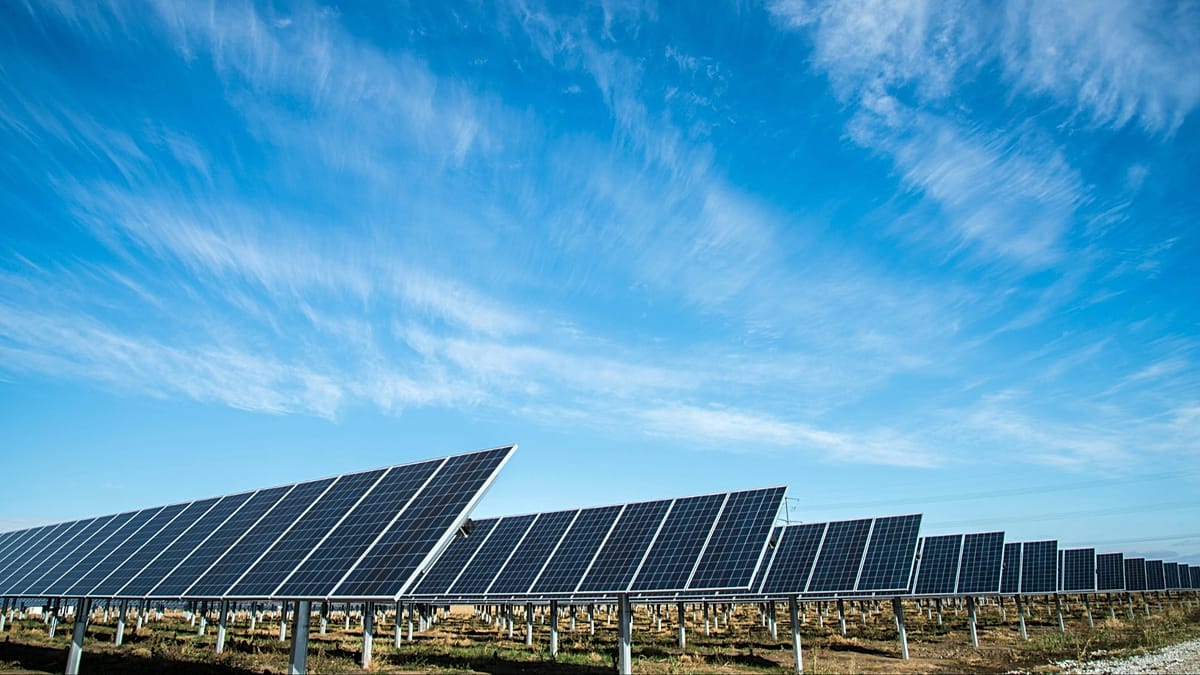
Politicians say that renewables must play a ‘central role’ in strengthening energy security, but a huge solar farm has been met with resistance.
Why it matters: Leverage the ongoing utility-scale permitting gridlock to position your firm as the agile, reliable alternative for decentralized C&I solar projects.
The Permitting Paradox
While European policy frameworks like REPowerEU push for rapid decarbonization, the reality on the ground for developers—and the solar ecosystem at large—remains fraught with local friction. For the average solar installer, this delay isn't just a headline; it represents the systemic gridlock that keeps the utility-scale sector from acting as a reliable pipeline for the broader industry.
Market Implications
When massive projects of this scale are stalled by planning disputes, capital remains trapped, and investor confidence wavers. This creates a ripple effect: as utility-scale projects hit hurdles, the focus shifts back to Distributed Energy Resources (DERs). For residential and C&I installers, this is actually a tailwind. As long as large-scale infrastructure remains tied up in multi-year litigation, the decentralized market becomes the only viable path to hitting national capacity targets.
What Installers Should Watch
Ultimately, don't wait for the giants to clear the path. The decentralized market is where the actual throughput—and the margins—reside in the current climate.