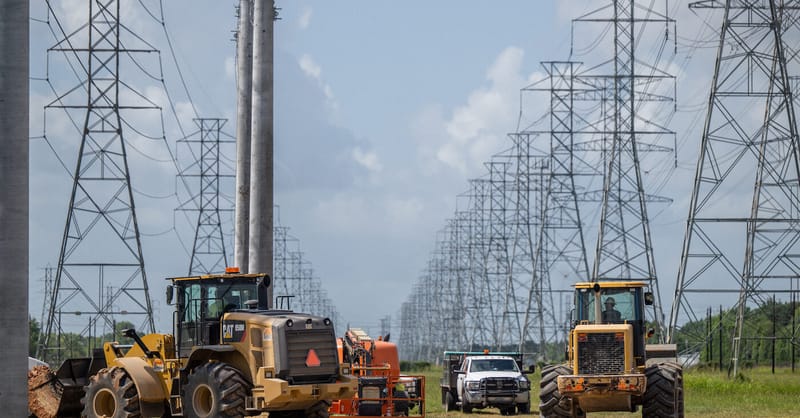
With utility bills rising fast, an increasing number of states are looking to virtual power plants as a potential solution. As of last year, 34 states have programs that call on utilities to use smart thermostats and water heaters, batteries and EV chargers, and energy management systems at businesses and factories
Why it matters: Pivot your business model from hardware installation to selling grid-integrated flexibility services to future-proof your revenue streams.
The Shift from Hardware to Grid Services
For European solar installers, the message is clear: the era of selling 'just' panels and storage is closing. As grid congestion becomes the primary bottleneck for new solar connections across the EU, Virtual Power Plants (VPPs) are evolving from a niche concept into a core component of the energy transition.
Why This Matters for Your Business
Your customers are no longer just looking to save on their monthly electricity invoices; they are looking to monetize their assets. By integrating VPP-ready software into your installation workflow, you transform a one-off hardware sale into a long-term recurring revenue relationship. Installers who master the orchestration of residential batteries and EV chargers will dominate the market as grid operators increasingly incentivize demand-side flexibility.
The European Market Context
Unlike the fragmented US approach, the European market is underpinned by the EU's Clean Energy Package, which mandates the right for consumers to participate in energy markets. However, the complexity lies in the interoperability of hardware. If your current installation kit isn't natively compatible with local flexibility aggregators or smart energy management systems (EMS), you are leaving money on the table for your clients—and losing your competitive edge.
Strategic Watchpoints