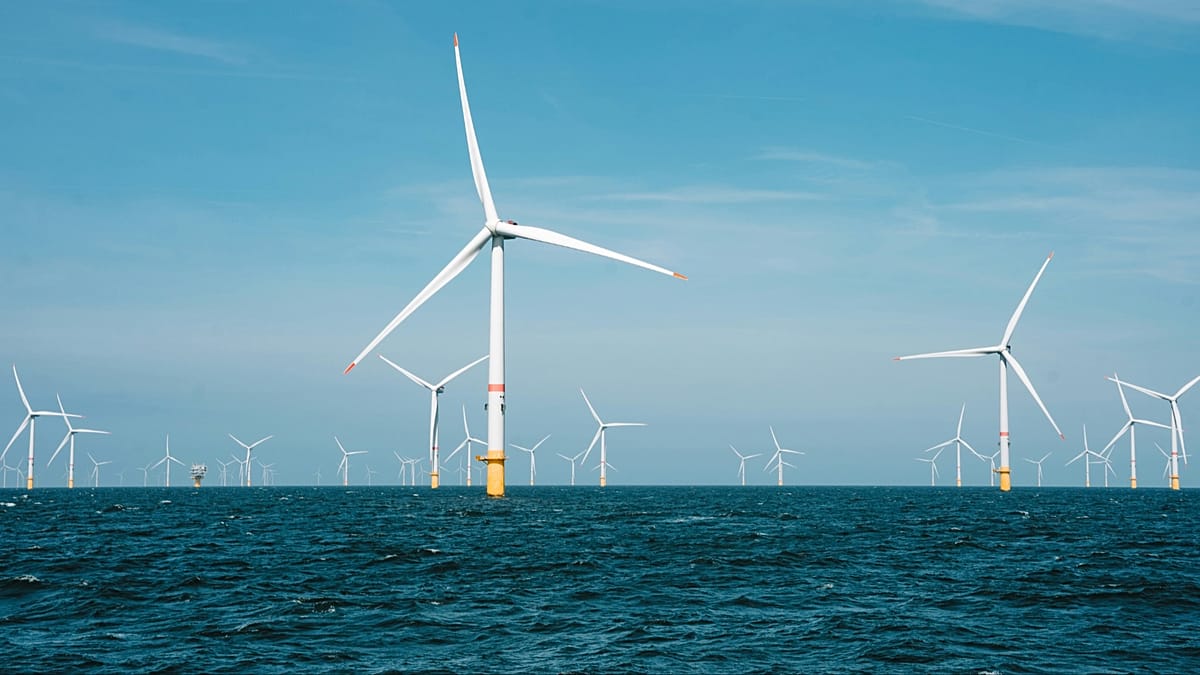
Europe must bolster its underwater security after unveiling its most ambitious offshore wind project yet, warn security experts.
Why it matters: Position your solar-plus-storage solutions as the ultimate hedge against centralized grid vulnerabilities and rising infrastructure costs.
The Hidden Nexus: Offshore Wind and Onshore Solar
While the headlines focus on underwater cables and turbine sabotage, the implications for the European solar sector are both immediate and structural. As Europe pushes to turn the North Sea into a 'green power plant,' the grid infrastructure required to bring that energy onshore will undergo unprecedented stress.
Why this matters for installers:
Market Context:
We are seeing a shift in European energy policy from purely 'green' to 'green and secure.' This means that projects are no longer just evaluated on LCOE (Levelized Cost of Energy) but on security resilience. For solar businesses, this underscores the importance of energy independence at the edge. The more a household or business can consume its own solar generation—buffered by battery storage—the less they are exposed to the vulnerabilities of the centralized, highly targeted national grid.
What businesses should watch for:
Monitor updates to the EU's Critical Entities Resilience (CER) Directive. As regulations tighten around grid security, we anticipate new requirements for smart inverters and cybersecurity protocols for PV systems. Installers who prioritize high-quality, secure-by-design hardware will find themselves at a competitive advantage as clients become increasingly concerned about the stability of their energy supply.