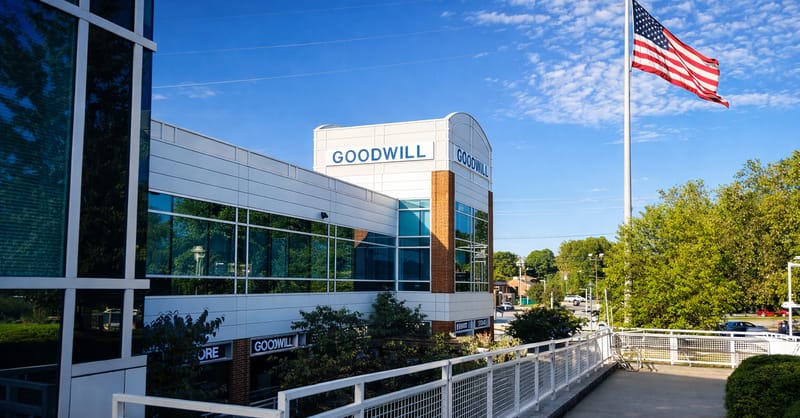
Last spring, when the Second Harvest Food Bank of Northwest North Carolina installed a giant solar array on its new headquarters in Winston-Salem, leaders of the project hoped it would inspire other nonprofits to follow suit. Sure enough, it has done just that.
Why it matters: Target community-based organizations to build a high-visibility, referral-heavy commercial solar portfolio.
The Nonprofit Sector: An Untapped Commercial Opportunity
For European solar installers, the institutional and non-profit sectors represent a massive, underserved market. While much of the industry remains fixated on residential rooftops or utility-scale farms, organizations like food banks and community centers are increasingly looking to solar to hedge against volatile energy prices and redirect operational savings toward their core missions.
Why this matters for your pipeline:Market Implications: As ESG reporting requirements tighten across the EU, even non-corporate entities will be under pressure to demonstrate a reduced carbon footprint. We are seeing a shift where 'green energy' is no longer just a cost-saving measure—it is a requirement for maintaining public funding and community support. Installers should move away from purely 'technical' pitches and start speaking the language of operational stability and social impact. Focus your sales collateral on how solar lowers long-term overhead, allowing these organizations to serve more people. If you aren't actively prospecting local non-profit hubs, you are leaving a stable, recurring-revenue segment on the table.