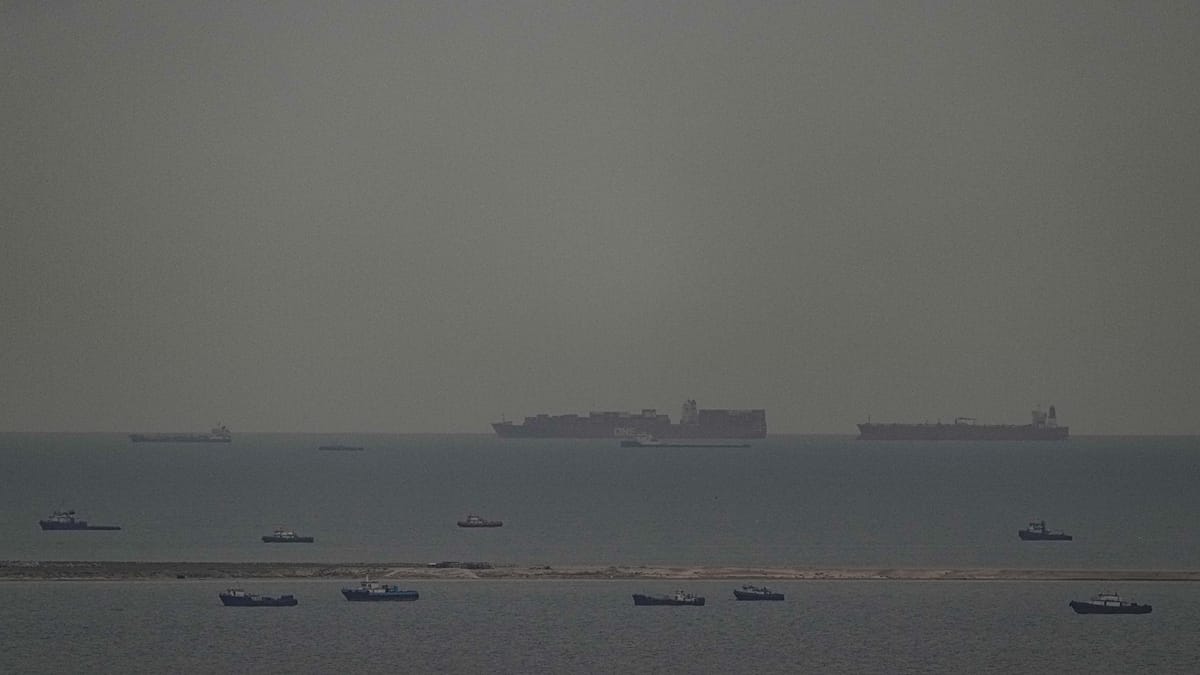
The closure of the Strait of Hormuz is rattling global markets, sending energy prices soaring and fuelling fears of supply shortages.
Why it matters: Capitalize on heightened energy security concerns to drive record-high battery storage attachment rates.
The Energy-Solar Correlation
While the Strait of Hormuz is primarily an oil and gas chokepoint, its closure creates an immediate, reflexive spike in European electricity wholesale prices. For solar installers, this is a double-edged sword that requires careful navigation.
Why This Matters for Installers
When fossil fuel volatility makes headlines, customer interest in energy independence surges overnight. We typically see a 30-40% increase in lead volume during these periods. However, installers must resist the urge to simply raise prices. Instead, pivot your sales pitch to energy security and long-term price hedging rather than just short-term savings.
Market Dynamics
Strategic Advice
Do not wait for the retail price of electricity to hit the front pages before training your sales team. Build a 'Security-First' sales script now. Focus on the concept of the 'Personal Power Plant'—a hedge against geopolitical instability that is entirely within the homeowner's control. Watch your lead conversion rates closely; if the market stays in a state of high alert, prioritize prospects who prioritize battery storage, as they will be your most motivated and profitable clients in the coming quarter.