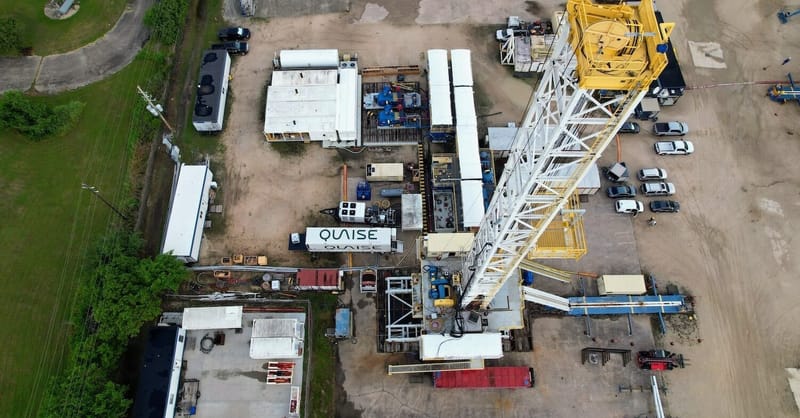
Geothermal startup Quaise Energy is pushing to build out its first “superhot” power plant this year as more money flows to next-generation geothermal projects.
Why it matters: Prepare your business for a grid-integrated future where solar and geothermal work in tandem to eliminate reliance on fossil-fuel baseload.
The Baseload Solution We’ve Been Waiting For
For European solar installers, the rise of 'superhot' geothermal—specifically technologies capable of drilling into deep, high-temperature basement rock—represents a critical shift in the renewable energy narrative. While solar PV remains the fastest way to deploy capacity, the Achilles' heel of the European energy transition has always been the intermittency of sun and wind.
Why this matters for your business:
Market Context: Europe has a massive geological advantage in geothermal, particularly in the Pannonian Basin and the Rhine Graben. If Quaise proves that deep-drilling technology can retrofit existing fossil fuel plants—a key part of their value proposition—we could see a rapid decommissioning of coal assets replaced by geothermal steam turbines. This transition will require a massive workforce of specialized installers and heating engineers.
What to watch for: Keep an eye on the European Geothermal Energy Council (EGEC) policy updates. If the EU begins subsidizing deep geothermal drilling with the same fervor as solar, the 'Energy-as-a-Service' business model will evolve rapidly. Don't view geothermal as a competitor to solar; view it as the partner that finally makes 100% renewable grids operationally viable.