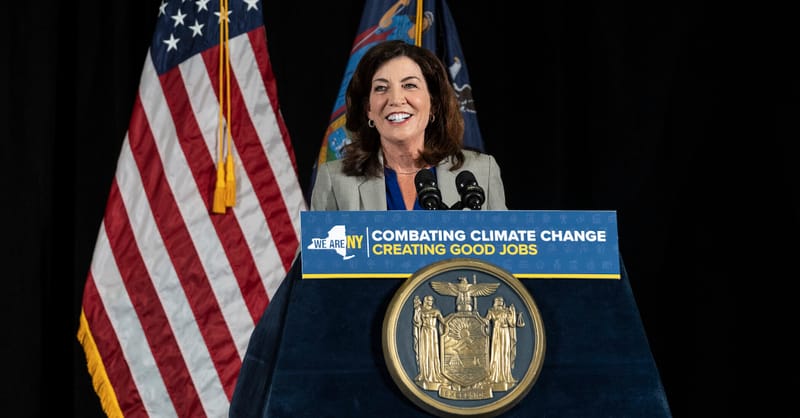
President Donald Trump has all but dismantled U.S. efforts to curb pollution that’s warming the planet and harming human health. Yet with every federal blow to climate action, states have launched a…
Why it matters: Pivot your sales strategy toward energy independence and grid-resilient technology to hedge against potential shifts in European subsidy frameworks.
Navigating Global Policy Volatility
While this report focuses on New York’s struggle to meet its climate targets, the broader implication for European solar installers is clear: policy stability is never guaranteed. When federal-level support falters, the burden of the energy transition shifts to regional and municipal authorities. For European businesses, this highlights the necessity of diversifying your customer base across different regulatory landscapes.
The European Advantage and Risk
Unlike the US, where climate policy can swing wildly with election cycles, the EU’s 'Fit for 55' package provides a more robust, long-term framework. However, installers shouldn't get comfortable. We are seeing a shift from 'subsidy-driven' growth to 'market-driven' efficiency. As grid congestion becomes the primary bottleneck across the continent, the installers who thrive will be those who pivot from simple panel-and-inverter sales to integrated energy management solutions.
Strategic Watchpoints for Installers:
European installers must stop relying on the 'green transition' as a marketing crutch and start selling tangible, bottom-line financial security to homeowners and SMEs. Those who position themselves as energy consultants rather than hardware retailers will be the ones who survive the next wave of policy uncertainty.