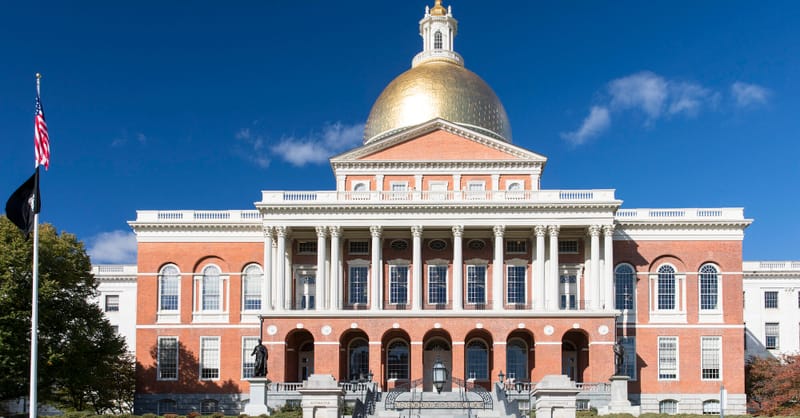
An energy-affordability bill approved yesterday by the Massachusetts House of Representatives could speed solar permitting, strengthen protections for many electricity consumers, and boost EV charging infrastructure. It could also pull the rug out from underneath the state’s nation-leading energy-efficiency…
Why it matters: Prepare your sales strategy to prioritize energy autonomy over government-subsidized efficiency as market policy shifts toward direct electrification.
The Efficiency vs. Renewables Paradox
While this news originates in Massachusetts, the underlying policy friction is highly relevant to the European solar landscape. We are seeing a growing tension between incentivizing hardware deployment—like solar panels and EV chargers—and maintaining funding for the 'negawatt' market (energy efficiency). For European installers, this highlights a critical shift in how subsidies are being reallocated across the Green Deal framework.
Why This Matters for EU Installers
European governments are increasingly pivoting from broad-based energy efficiency grants toward aggressive electrification targets. If your business model relies heavily on retrofit-integrated solar, you need to prepare for a market where 'efficiency first' mandates may be deprioritized in favor of 'electrification first' mandates. This represents a pivot from insulating homes to powering them.
Strategic Market Implications
What to Watch
Watch for 'Energy Affordability' bills in your specific EU member state. These bills are often Trojan horses for restructuring grid fees. If the cost of grid integration for solar rises, your sales pitch must evolve from 'free energy' to 'energy autonomy.' The winners in the next 24 months will be those who stop selling panels as commodities and start selling them as the core component of a decentralized, grid-independent energy asset.