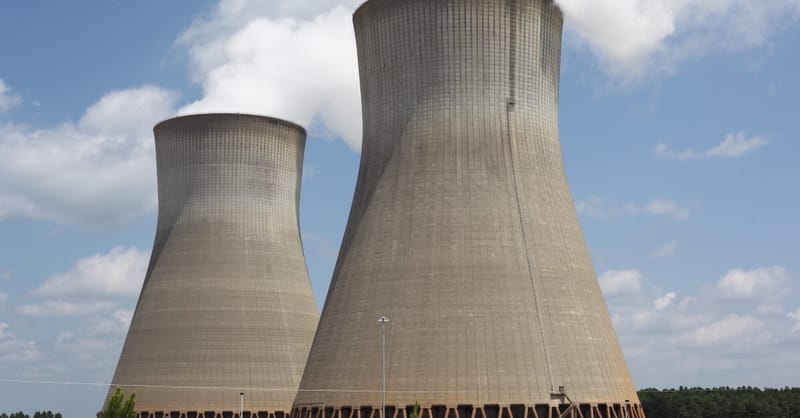
The Trump administration is pushing to revive the U.S. nuclear industry — but slow-moving talks with the developer of the nation's flagship nuclear reactor have prompted officials to explore alternatives.
Why it matters: Leverage the delay in large-scale nuclear projects to sell solar + storage as the only immediate solution for energy security.
The Nuclear-Solar Tug-of-War
For European solar installers, the U.S. pivot toward nuclear alternatives might seem like a distant American policy issue, but it signals a critical shift in global energy strategy: the acknowledgment that baseload demand is outstripping generation capacity faster than any single technology can handle.
Why This Matters for European Installers
The U.S. struggle to deploy large-scale nuclear reactors is a cautionary tale for European energy planners. When nuclear projects stall, the immediate gap is often filled by fossil fuels, but the long-term structural solution remains distributed energy resources (DERs). As grid congestion becomes the primary bottleneck in the EU, installers should pivot their sales narrative:
Market Implications
The global race for electricity is becoming a race for speed. Nuclear projects, even with political tailwinds, face multi-decade lead times. Solar installers benefit from this 'speed-to-market' advantage. However, the market is maturing; it is no longer just about selling panels, but about selling grid independence. If the U.S. struggles to scale nuclear, the pressure on the global supply chain to prioritize solar and battery components will only intensify, potentially impacting pricing and availability for European firms.
What to Watch For
Keep a close eye on grid connection queues. As centralized projects (like nuclear or offshore wind) encounter delays, national grid operators will be forced to increase their intake of distributed solar to meet climate targets. Position your business as the faster, more reliable alternative to the 'megaproject' uncertainty.