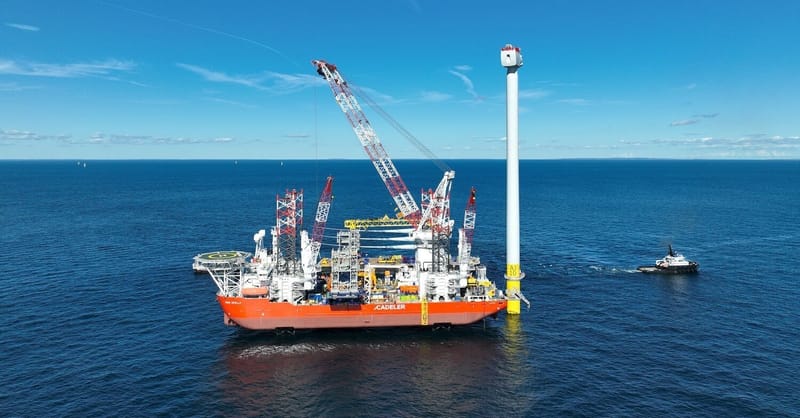
All five offshore wind farms being built in the U.S. are on track to hit key construction and operational milestones this month — even as the Trump administration continues its campaign to halt their development.
Why it matters: Prioritize projects with firm grid-connection status and high self-consumption potential to insulate your business from fluctuating political support.
Navigating Political Headwinds
While this news focuses on U.S. offshore wind, European solar installers should take note of the resilience shown by large-scale renewables in the face of aggressive political opposition. The ability of these projects to hit milestones despite regulatory hostility highlights a critical reality: infrastructure momentum often outpaces political rhetoric once capital is deployed and supply chains are locked.
What This Means for the European Market
Strategic Outlook for Installers
For the average European solar firm, the lesson is clear: diversify your political risk. Don't rely solely on government subsidies that can be clawed back with a change in administration. Instead, focus on the 'prosumer' segment and C&I (Commercial & Industrial) solar where the economic argument is driven by self-consumption and energy independence rather than state-level policy. As we move into 2025, the installers who thrive will be those who help their clients hedge against grid instability, rather than those tethered to the whims of the European Green Deal’s shifting legislative landscape.