A rapid transition away from fossil fuels could help slow down the Doomsday Clock as it edges closer to midnight.
Why it matters: Secure your supply chain now to hedge against global market volatility caused by shifting US energy policies.
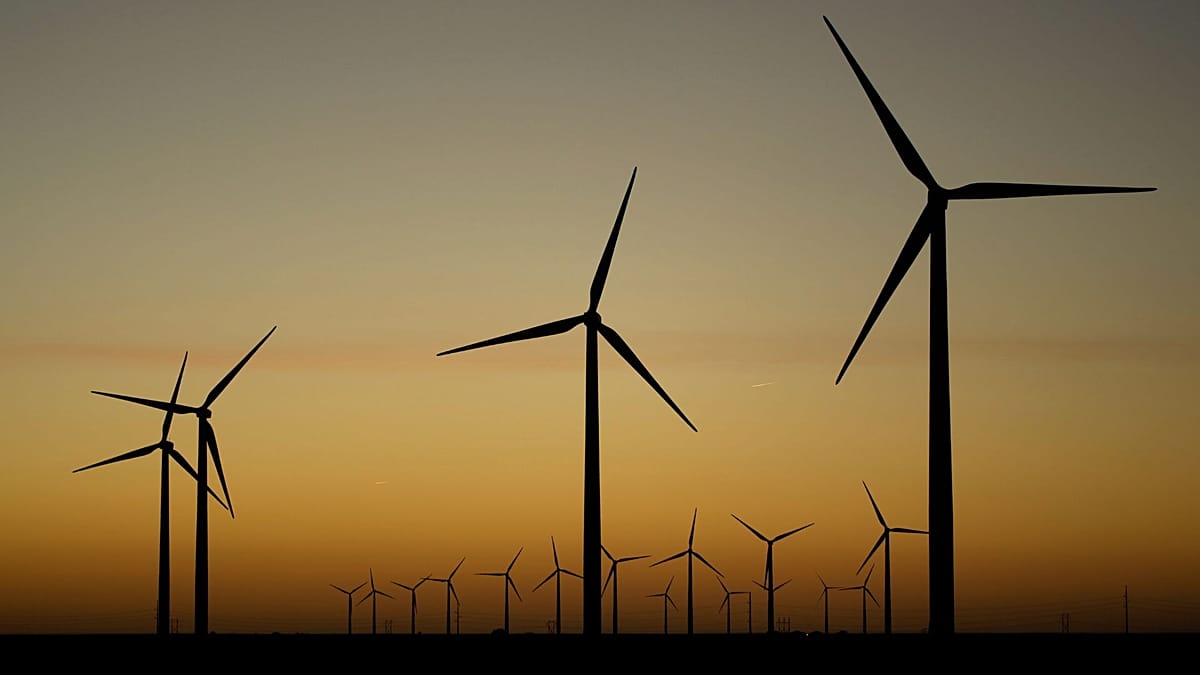
A rapid transition away from fossil fuels could help slow down the Doomsday Clock as it edges closer to midnight.
The Geopolitical Ripple Effect
While the headline focuses on the 'Doomsday Clock,' the underlying reality for European solar installers is more pragmatic: the volatility of US energy policy directly influences global module pricing and supply chain stability. When the US pivots toward aggressive renewable expansion, it often draws massive manufacturing capacity away from the European market, potentially tightening supply lines for high-efficiency panels.
Why This Matters for Your Bottom Line
Strategic Implications for Installers
European installers should stop relying on 'just-in-time' inventory models. The current global climate suggests that supply chain autonomy is the only hedge against fluctuating geopolitical winds. We advise our partners to move toward multi-sourcing strategies and secure long-term supply agreements now before the next policy shift triggers a global scramble for components. Don't just watch the news; watch your inventory costs. If US policy stabilizes, expect downward pressure on module prices as production scales, but be prepared for a temporary 'gold rush' that could temporarily disrupt your access to stock. Stay agile, prioritize local distribution hubs, and keep your balance sheets lean to weather any sudden shifts in the global PV trade landscape.