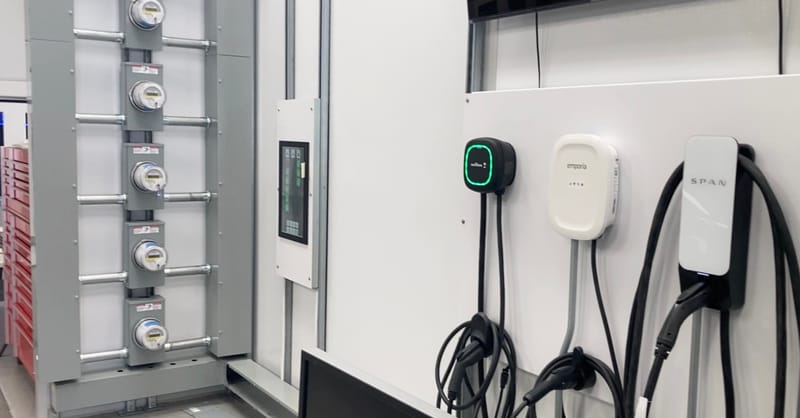
But all that new electric equipment creates a serious challenge: It requires bigger, better infrastructure to manage the increased flow of electrons, from the electrical…
Why it matters: Pivot your business model from simple hardware installation to selling grid-interactive smart home energy management solutions.
The Grid-Edge Revolution is Coming to Europe
While this article focuses on California, the implications for European solar installers are immediate and unavoidable. As we push for mass electrification of heat pumps and EVs, the distribution grid is hitting a breaking point. For installers, this shifts the value proposition from 'selling panels' to 'selling grid stability.'
Why This Matters for Installers
European DSOs (Distribution System Operators) are increasingly enforcing export limits and grid connection delays. If you are still selling standalone PV systems without considering the load profile or storage integration, you are selling an obsolete product. The future isn't just generation; it's orchestration.
Market Context and Strategy
The European market is currently fragmented, but regulatory frameworks like the EU Electricity Market Design reform are accelerating the push toward dynamic pricing and demand-side response. Businesses that pivot to become 'Energy Service Providers'—managing the bidirectional flow of energy—will secure higher lifetime value per customer. Don't just install hardware; offer a service that mitigates the 'grid overload' problem for your clients. Watch for local DSO pilot programs in your region; being an early partner in these grid-balancing schemes will provide a significant competitive moat against traditional, hardware-only installers who are slow to digitize their service offering.