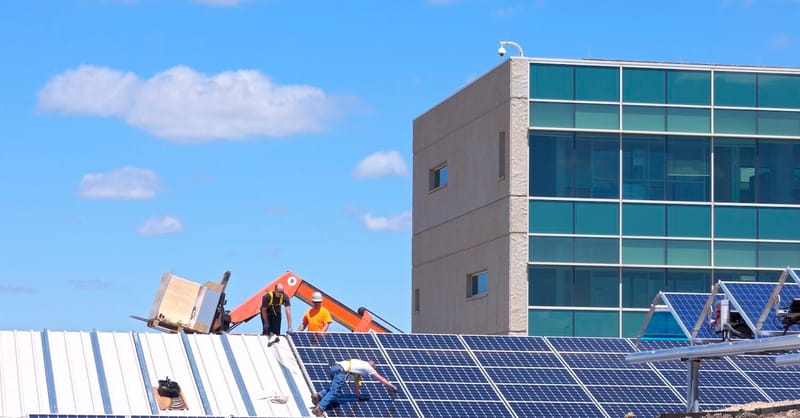
Instead of working with other companies to cobble together a virtual power plant from various vendors, Xcel wants to buy the equipment itself and offer it to customers at a discount, effectively turning the utility into a solar and battery installer.
Why it matters: Protect your business by transitioning from a hardware installer to a digital energy services partner before utilities capture the VPP market.
The Utility-as-Competitor Threat
The Xcel Energy model represents an existential shift in the distributed energy resource (DER) landscape. By vertically integrating the installation and management of VPPs, utilities are attempting to bypass the aggregator ecosystem. For European installers, this is a cautionary tale of what happens when distribution system operators (DSOs) feel they lack sufficient grid control.
Why This Matters for European Installers
European markets—particularly Germany, the Netherlands, and the UK—are currently at a crossroads regarding grid flexibility. If installers continue to operate in silos, utilities will inevitably lobby for the right to own the hardware to ensure 'grid stability.' Installers must position themselves not just as hardware vendors, but as the primary digital interface for the homeowner. If you aren't providing the VPP software layer, you are just a commodity contractor.
Strategic Implications
The race to own the 'energy brain' of the home is on. If your business model relies solely on installation margins, you are vulnerable to utility encroachment. Start bundling smart energy services today.