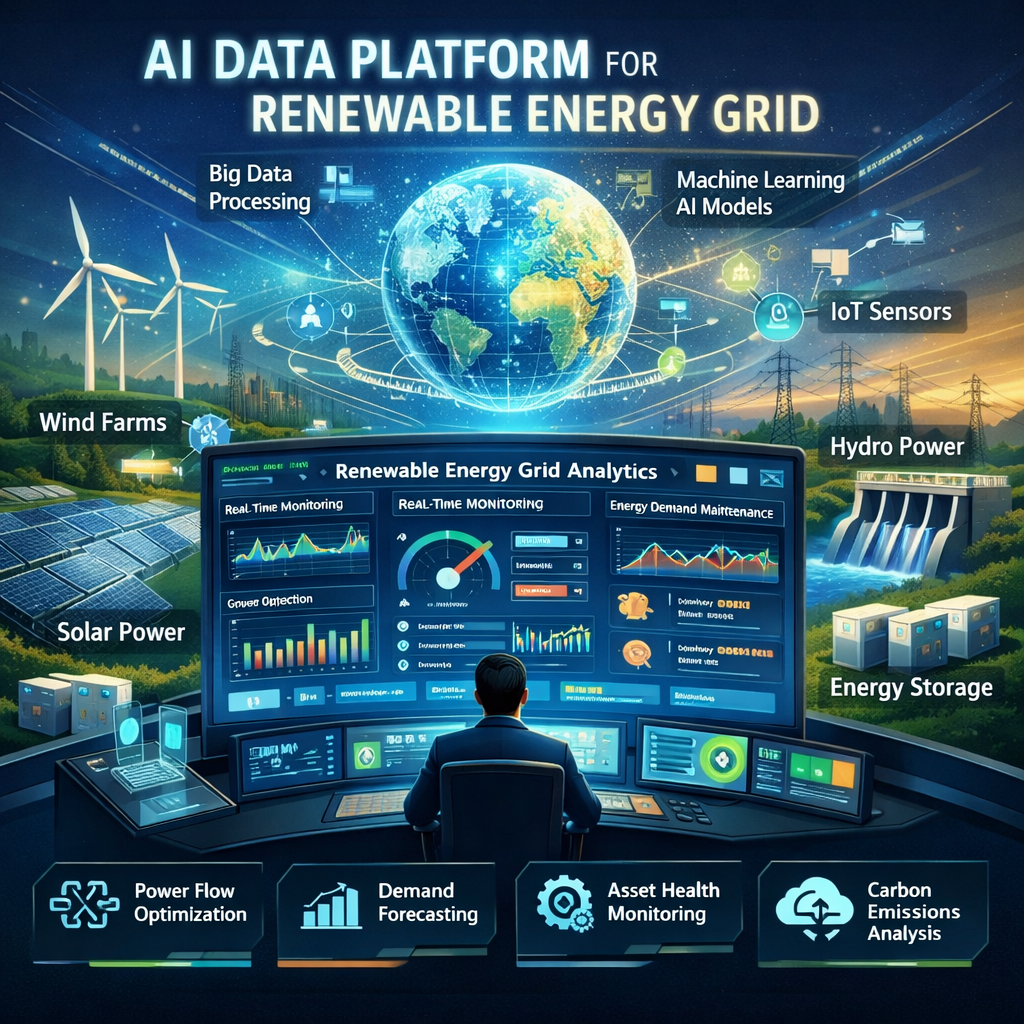
Tata Power Company Limited is partnering with Databricks to create an advanced data and AI platform to enhance its digital transformation and energy transition. This initiative aims to improve operational efficiency, support intelligent grid management, and foster innovation across business segments, while integrating data and facilitating real-time insights for informed decision-making.
Why it matters: Leverage AI-driven data insights to shift your business from simple hardware installation to high-margin, predictive energy management.
The Shift from Hardware to Data Intelligence
The partnership between Tata Power and Databricks is a clear signal that the competitive advantage in the energy sector is shifting from pure-play installation capacity to data maturity. For European solar installers, this isn't just a corporate headline—it’s a preview of the operational standards your customers will soon expect.
Why This Matters for European Installers
European markets are grappling with increasing grid volatility and the rapid proliferation of VPPs (Virtual Power Plants). Installers who rely on manual spreadsheets or siloed CRM data will struggle to compete with firms that can offer predictive maintenance and real-time energy optimization. By leveraging AI, companies like Tata are moving toward a 'proactive' service model rather than a 'reactive' one.
Market Context and Implications
We are entering an era where energy management is a software game. As the EU pushes for smarter, flexible grid infrastructure, installers who act as data-driven energy managers will capture higher margins. You are no longer just selling solar panels; you are selling a component of a smart, AI-optimized energy ecosystem.
What You Should Watch For
Keep a close eye on the democratization of these tools. You don't need a Databricks-sized budget to start. Look for CRM and management platforms that offer integrated predictive analytics. If your current software stack doesn't help you identify which of your existing clients are prime candidates for storage retrofits based on their consumption data, you are leaving money on the table.