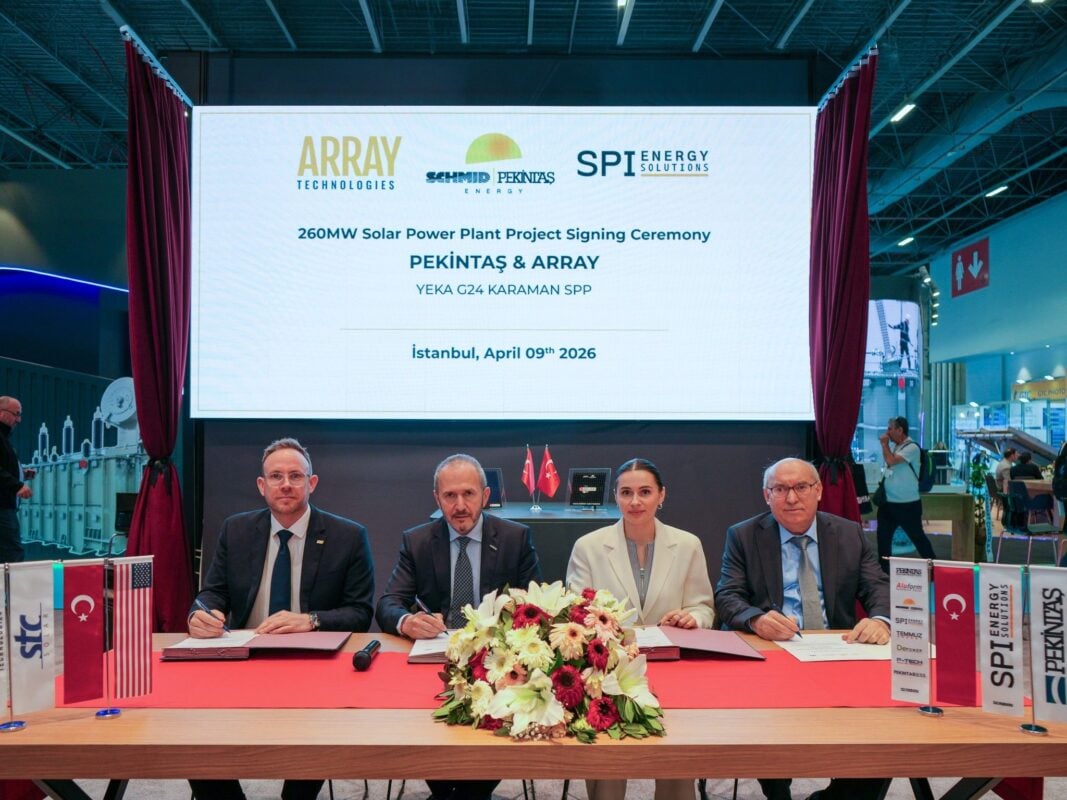
Array Technologies will deploy its OmniTrack terrain-following tracker system at a 260MW solar PV project being developed by Turkish company Pekintas.
Why it matters: Reduce your site development overhead by prioritizing terrain-following tracker technology to unlock difficult land parcels.
The Shift Toward Challenging Terrain
The selection of Array’s OmniTrack for the 260MW Pekintas project in Turkey signals a maturing shift in the European and near-European utility-scale market. As the 'low-hanging fruit'—flat, easily graded land—becomes increasingly scarce, developers are forced to utilize uneven, undulating landscapes. Traditional tracking systems, which require extensive and costly earthmoving, are becoming a bottleneck for project ROI.
Why This Matters for European Installers
For European solar installers and EPCs, this trend is a clear indicator that site preparation costs are the new frontier of project profitability. Terrain-following trackers, like the OmniTrack, allow for a tighter adherence to existing topography. This minimizes civil engineering overhead and environmental remediation costs, which are under increasing regulatory scrutiny across the EU.
What Businesses Should Watch For
Keep a close eye on the secondary impacts of these systems. While they reduce civil work, they increase the complexity of the mechanical installation and long-term O&M. Installers should be upskilling their teams to handle the nuanced calibration required by these non-linear systems. Furthermore, as grid-parity pressure mounts, the ability to propose 'terrain-agnostic' designs will become a key competitive advantage in your sales pitches to land developers and asset owners. If you aren't already evaluating terrain-following hardware as a standard feature in your utility-scale proposals, you are likely over-estimating your site development budgets compared to the competition.