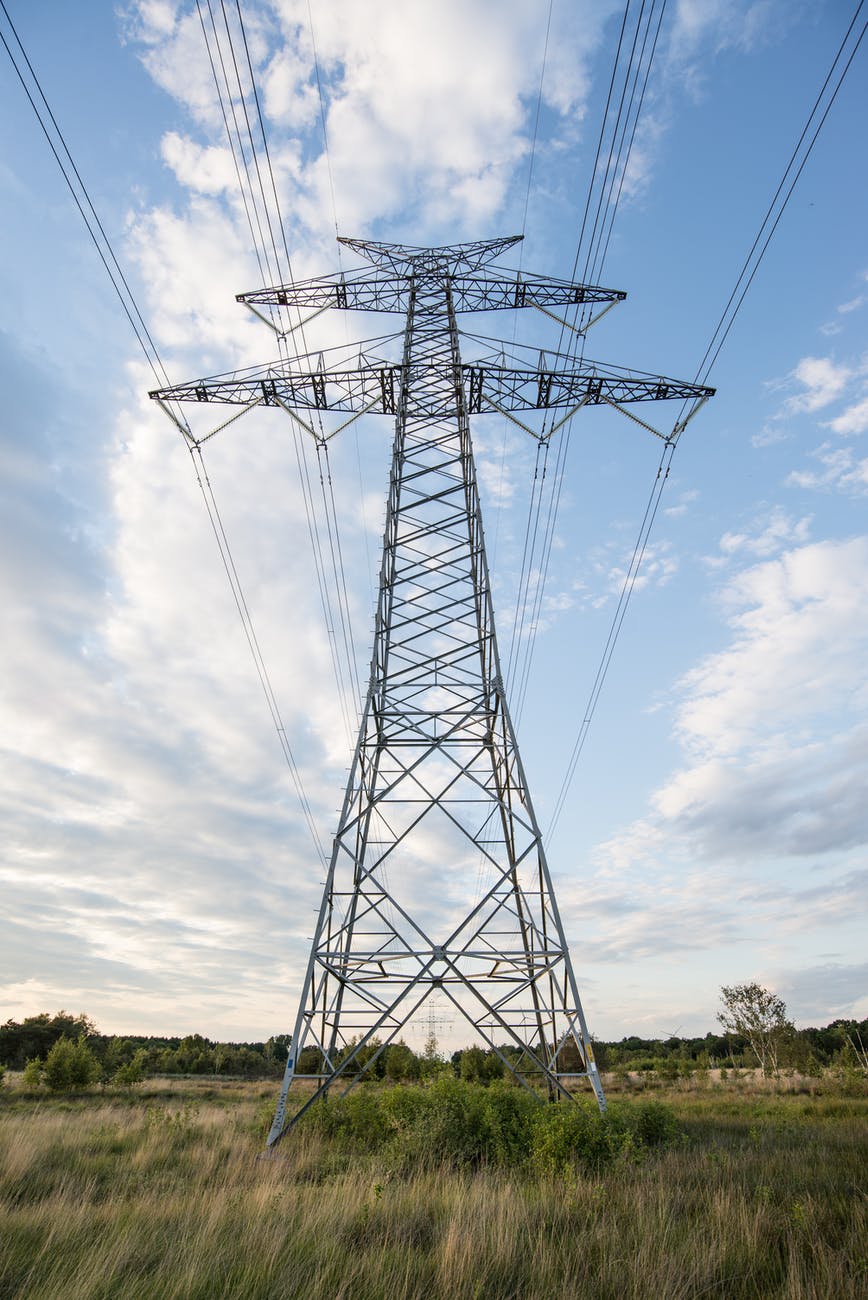
Wadagni aims for 100% electricity access by 2030, focusing on rural electrification and reducing dependence on imports. His agenda links energy development to industrial growth and plans to use public-private partnerships for funding.
Why it matters: Leverage your technical expertise in energy storage and microgrids to enter emerging African markets through new public-private partnership opportunities.
Why This Matters for European Solar Installers
While Benin may seem distant from the mature European residential market, the pivot toward 100% electrification via public-private partnerships (PPPs) creates a lucrative opening for European EPCs and solar technology firms. As European markets face saturation and tightening margins, the demand for off-grid expertise and microgrid infrastructure in emerging economies represents a significant pivot point for growth-oriented installers.
Market Context and Implications
Benin’s move to curb energy imports is part of a broader African trend toward energy sovereignty. For European firms, this is not just about exporting hardware; it is about exporting operational intelligence. European companies that have mastered complex grid-tied storage and energy management systems are uniquely positioned to win contracts in West Africa, where reliability and scalability are the primary pain points. The emphasis on rural electrification suggests a massive shift toward decentralized solar, bypassing the need for expensive, centralized transmission line extensions.
What Solar Businesses Should Watch For
European solar businesses should view Benin’s roadmap as a blueprint for long-term international expansion, provided they approach it as a partnership in knowledge transfer rather than just a supply-side play.