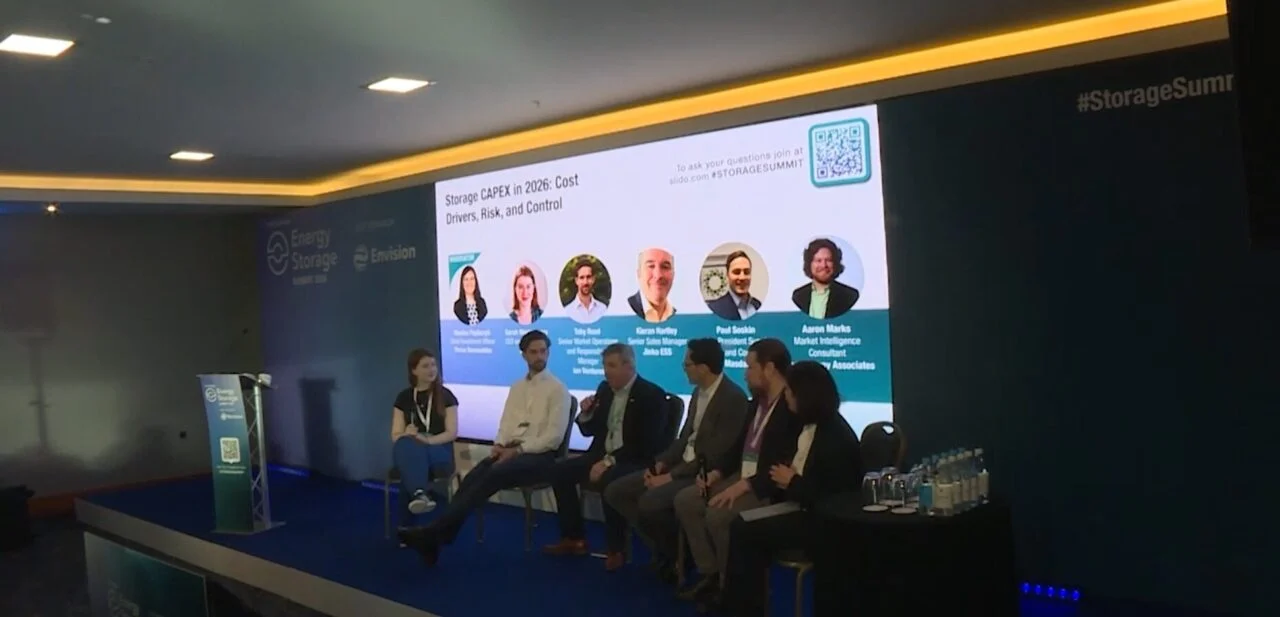
What does the combination of regulatory, supply chain and market pressures mean for the cost of building large-scale BESS this year?
Why it matters: Pivot your sales strategy from hardware installation to high-margin energy management services to survive the BESS price normalization.
The Shift in Storage Economics
For European solar installers, the Battery Energy Storage System (BESS) market is transitioning from a 'gold rush' phase to a period of margin optimization. As BESS Capex stabilizes, the competitive advantage is moving away from simply securing hardware and toward intelligent integration and grid-service revenue stacking.
Market Dynamics and Implications
We are seeing a decoupling of BESS prices from the extreme volatility of 2022-2023. While raw material costs for lithium-ion cells have cooled, European installers face new pressures: rising labor costs for specialized grid-connection engineers and stricter EU fire safety compliance. The 'regulatory pressure' mentioned in the outlook isn't just about red tape—it is about the shifting grid code requirements (like VDE-AR-N 4110) that demand more sophisticated, expensive power conversion systems.
What Installers Should Watch For
Stop selling batteries as 'storage' and start selling them as 'grid-responsive infrastructure.' Keep a close eye on the secondary market for LFP cells and the availability of European-made inverters, which are becoming a critical differentiator for clients worried about geopolitical supply chain risks. If you aren't already partnering with energy aggregators to offer your clients automated revenue-sharing models, you are leaving the most valuable part of the storage value chain on the table.