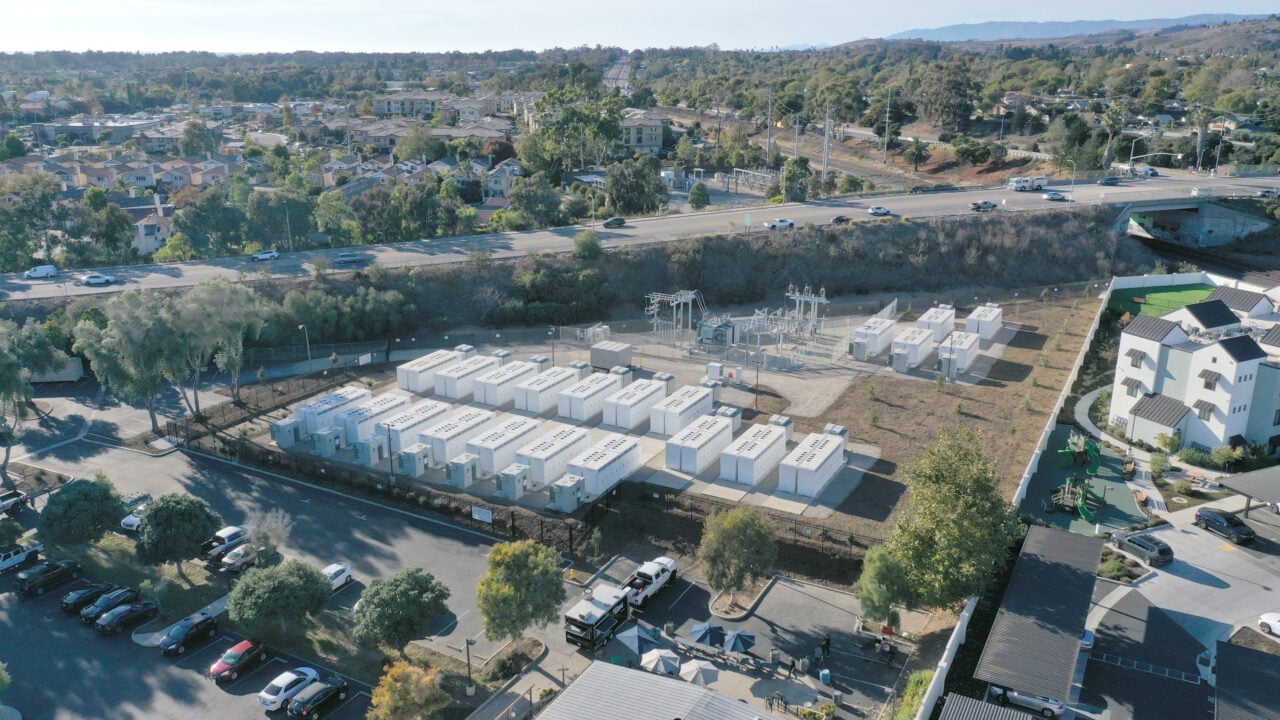
GridStor and Axpo have executed an energy storage revenue swap agreement for a 220MW/440MWh BESS in Galveston County, Texas.
Why it matters: Prepare your sales strategy to move beyond simple hardware installation by offering clients storage solutions that support revenue-stacking and grid-balancing.
The Financial Engineering Shift
The execution of a revenue swap agreement between GridStor and Axpo signifies a maturation of the Battery Energy Storage System (BESS) market that European installers need to track closely. By utilizing a revenue swap, the project owner effectively hedges against merchant volatility, trading upside potential for guaranteed cash flows. This is a direct response to the 'cannibalization' effect where high solar penetration leads to negative pricing, rendering pure merchant storage models increasingly fragile.
Why This Matters for EU Installers
For European solar businesses, this trend toward sophisticated financial hedging is no longer reserved for utility-scale giants. As we see a rapid influx of residential and C&I battery storage across the EU, the 'arbitrage-only' business case is nearing its ceiling. Installers must prepare to transition from simple hardware sellers to energy service providers who can help clients navigate revenue-stacking and grid-balancing contracts.
What to Watch
Keep a close eye on the emergence of 'Virtual Power Plant' (VPP) aggregators in your region. These entities are moving toward the same financial logic as the Axpo/GridStor deal. If you are an installer, your primary value proposition is shifting from 'installing capacity' to 'enabling revenue.' Start vetting storage hardware partners not just on depth of discharge or cycle life, but on their software compatibility with grid-balancing platforms and financial hedging tools.