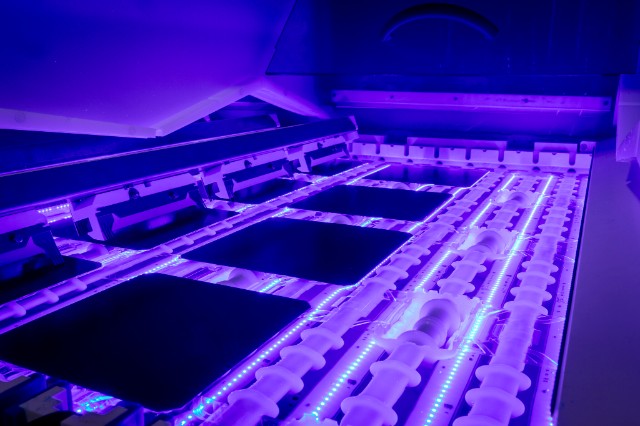
Un equipo de investigadores del Fraunhofer Institute for Solar Energy Systems ISE ha logrado reducir el consumo de plata hasta 1,1 mg/Wp, frente a los valores actuales de entre 10 y 12 mg/Wp mediante un proceso de metalización basado en electrodeposición.
Why it matters: Leverage expected drops in module production costs to preserve your margins as silver-light TOPCon technology hits the commercial supply chain.
The Silver Bottleneck: A Game-Changer for PV Economics
For years, the solar industry has been held hostage by the volatility of silver prices. With TOPCon technology becoming the new standard for high-efficiency residential and commercial modules, the reliance on high-content silver paste has been a significant drag on margin compression. This breakthrough from Fraunhofer ISE isn't just a lab curiosity; it’s a potential structural shift in the supply chain.
Why this matters for European solar installers:Installers are currently caught between demanding lower hardware costs and maintaining high-quality, high-efficiency installations. If manufacturers can successfully scale this electrodeposition process, we should see a stabilization—or even a reduction—in the bill of materials for premium modules. This gives you more breathing room to maintain margins even as the market shifts toward more price-sensitive, competitive bidding environments.
Market context and implications:The transition from PERC to TOPCon was a leap in efficiency, but it increased silver intensity. By cutting silver consumption by a factor of 10, manufacturers can decouple module costs from the erratic precious metals market. This is a critical move as we see increased protectionism and supply chain diversification efforts within the EU. Reduced silver dependence means less exposure to global commodity shocks.
What solar businesses should watch for: